Dạo gần đây, lướt qua các biển www.fastcompany.com/91528348/what-san-franciscos-ai-billboards-say-about-the-state-of-the-industry, mọi người có thấy một làn sóng kỳ lạ không? Những câu slogan nghe thì rất kêu nhưng nghĩ kỹ lại chẳng hiểu gì cả, kiểu như “Làm chủ suy luận của bạn” hay “Bắt trợ lý www.fastcompany.com/section/artificial-intelligence làm việc thay con người”, thậm chí có quả hơi rợn tóc gáy kiểu “Ngừng tuyển người thật đi”. Giữa một rừng quảng cáo AI “vô hồn” ấy, hai nghệ sĩ hài Harris Alterman và Dave Ross đã quyết định ra tay châm biếm xu hướng này bằng một dự án siêu lầy lội: tự thiết kế những bảng quảng cáo giả với phong cách tối giản (minimalism) đặc trưng của giới công nghệ, nhưng nội dung thì… vô tri hết nước chấm!
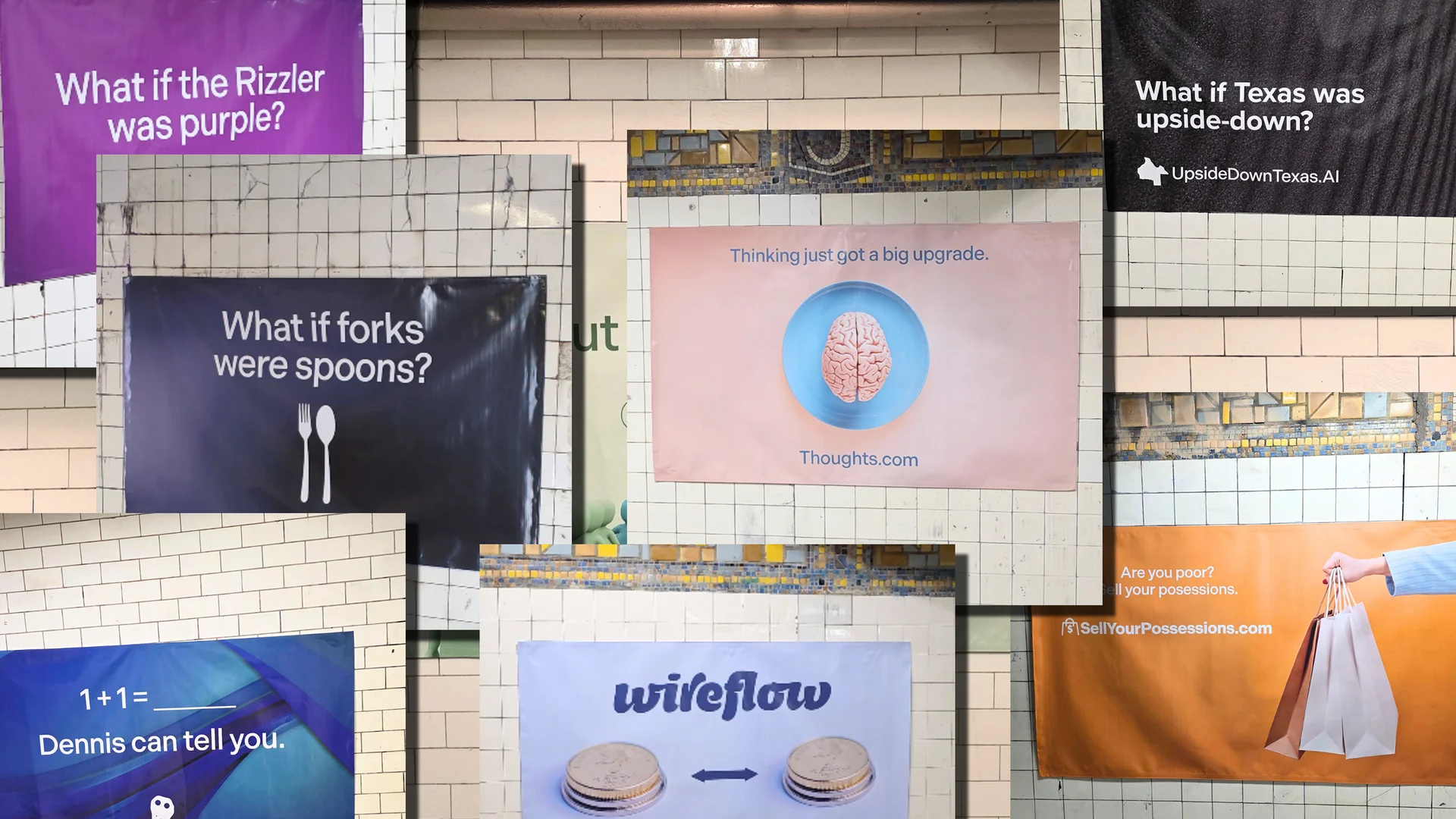
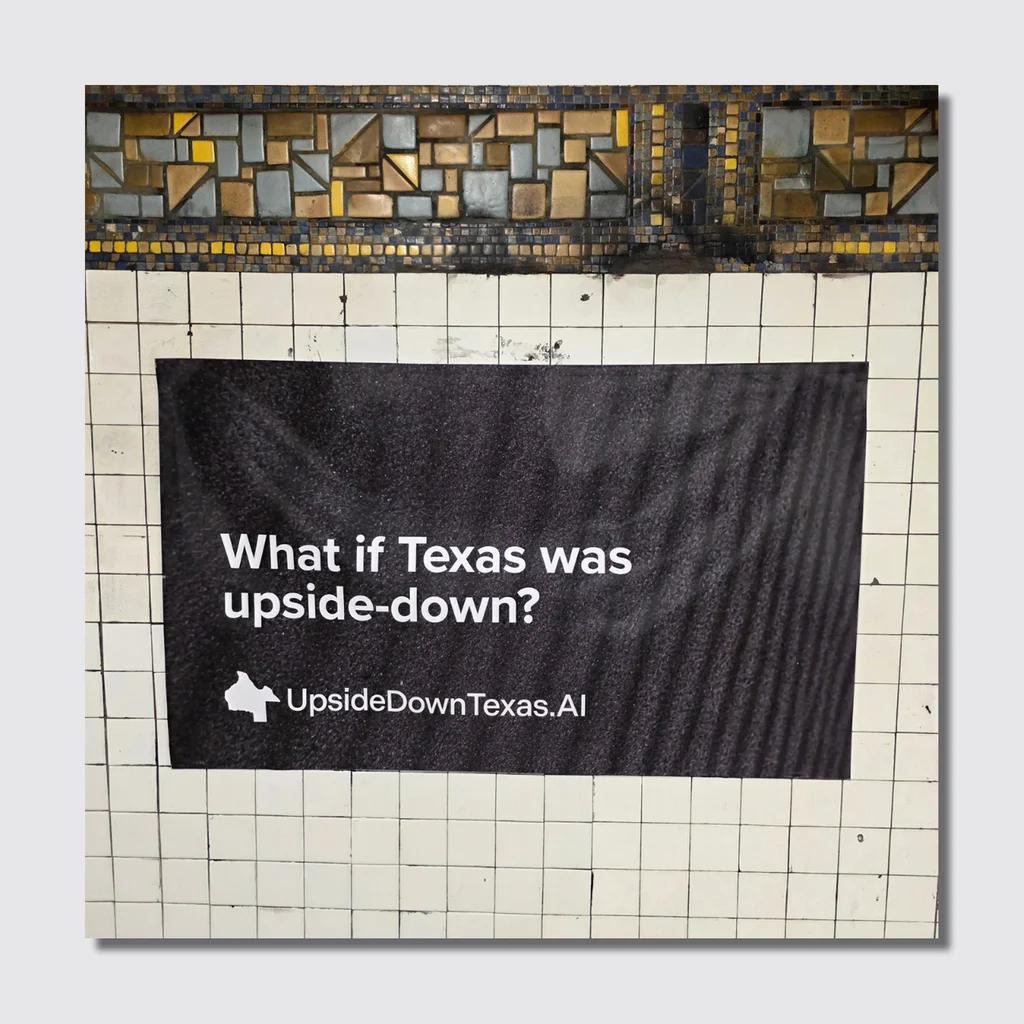
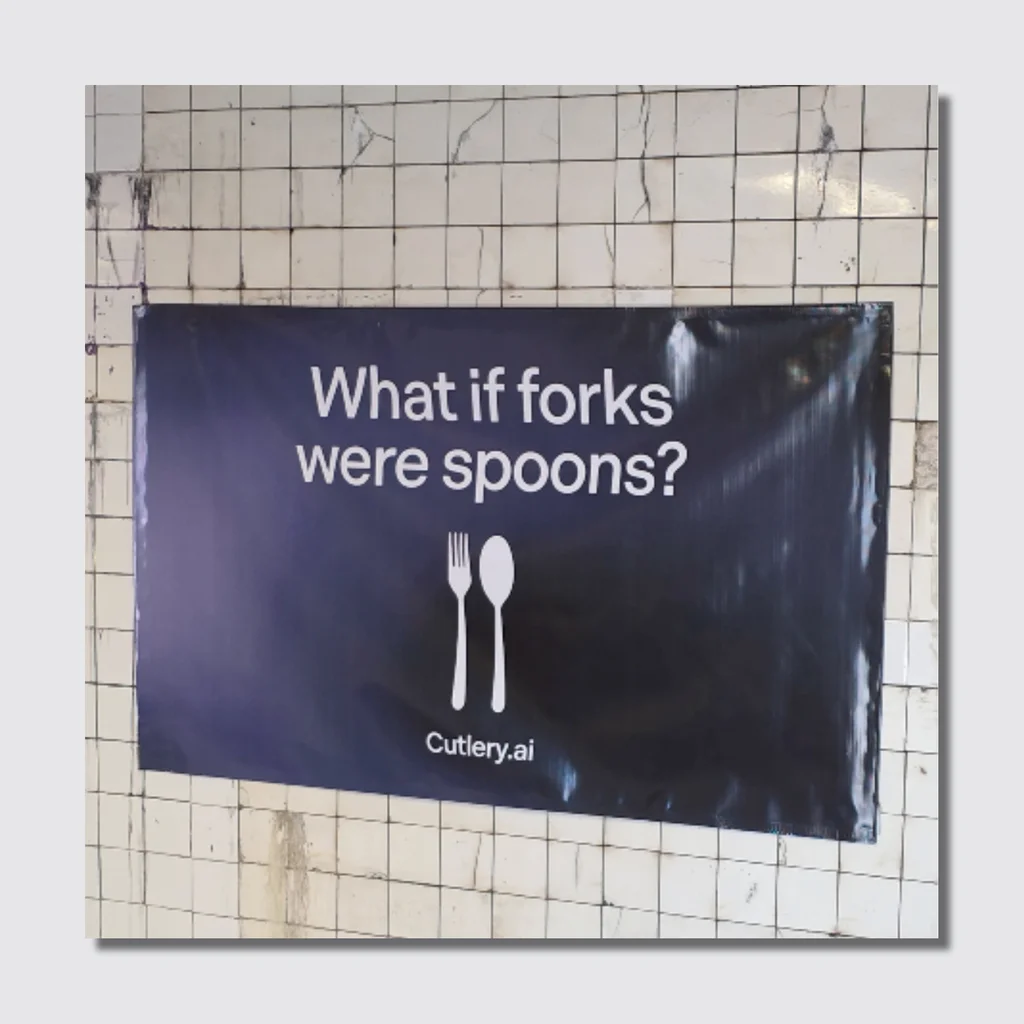
Những tấm bảng quảng cáo này được họ treo trực tiếp tại một ga tàu điện ngầm ở New York, tương tự như www.fastcompany.com/91413814/friend-ai-ad-campaign-founder-qa vào mùa thu năm ngoái. Chúng đặt ra những câu hỏi không thể “hack não” hơn: “Nếu nĩa là thìa thì sao nhỉ?”, “Nếu bang Texas bị lộn ngược thì sao?”, hay “Nếu Rizzler màu tím thì sao?”. Thậm chí, họ còn tạo ra một công ty giả tưởng mang cái tên cực kỳ thân thiện là “Dennis”.
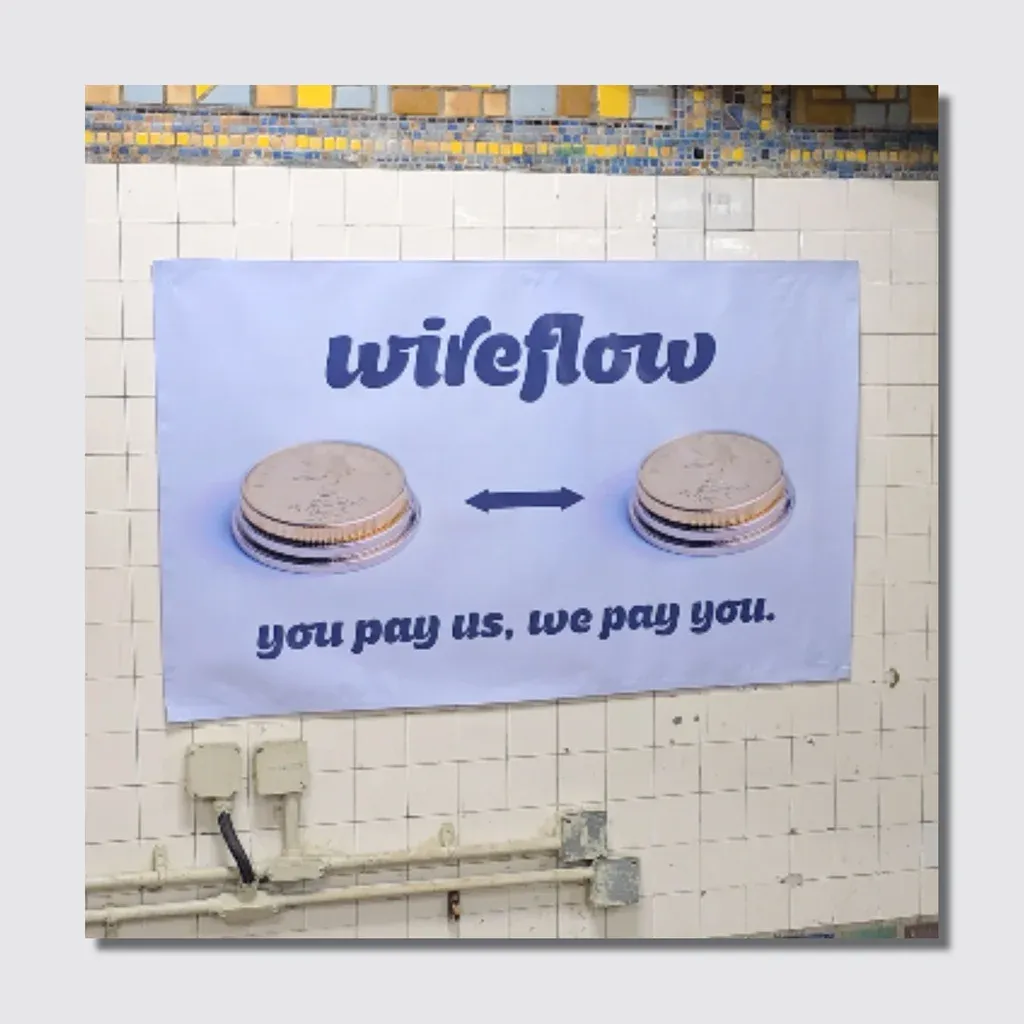
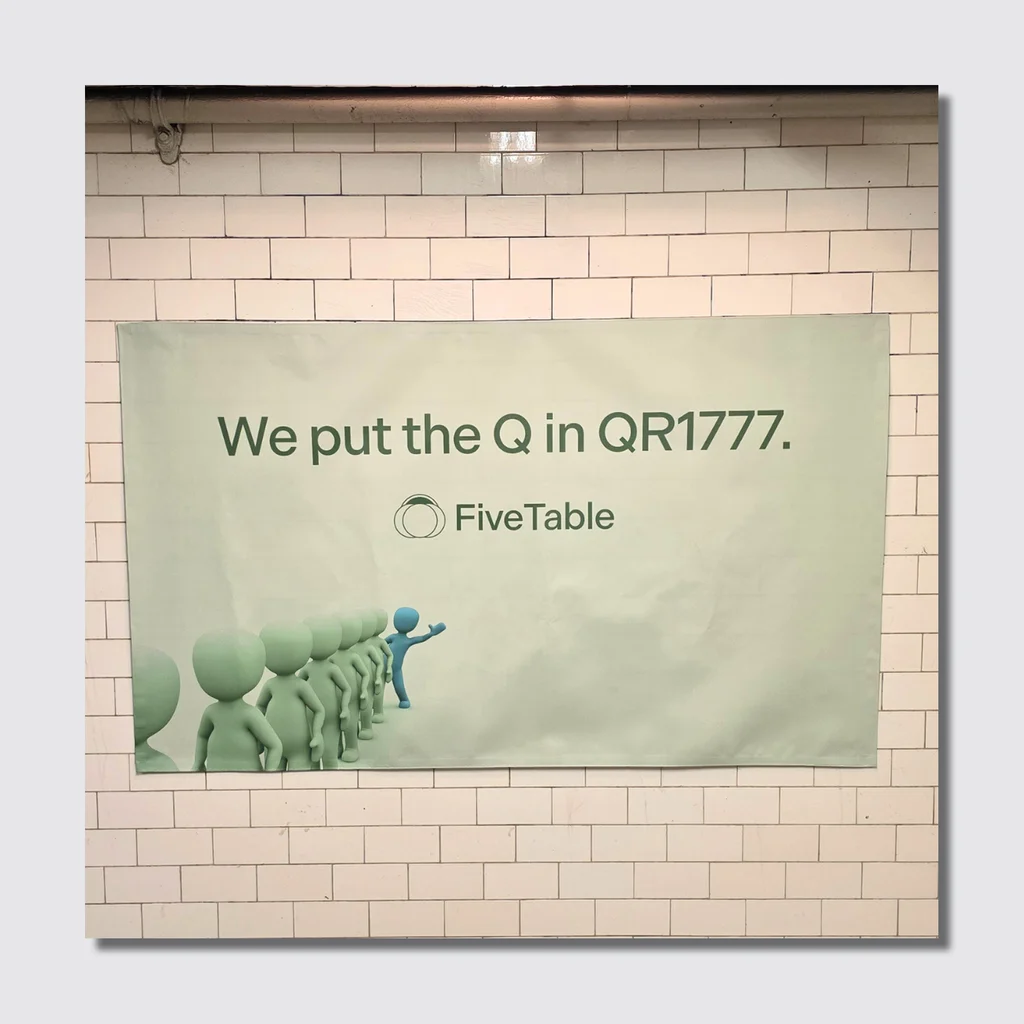
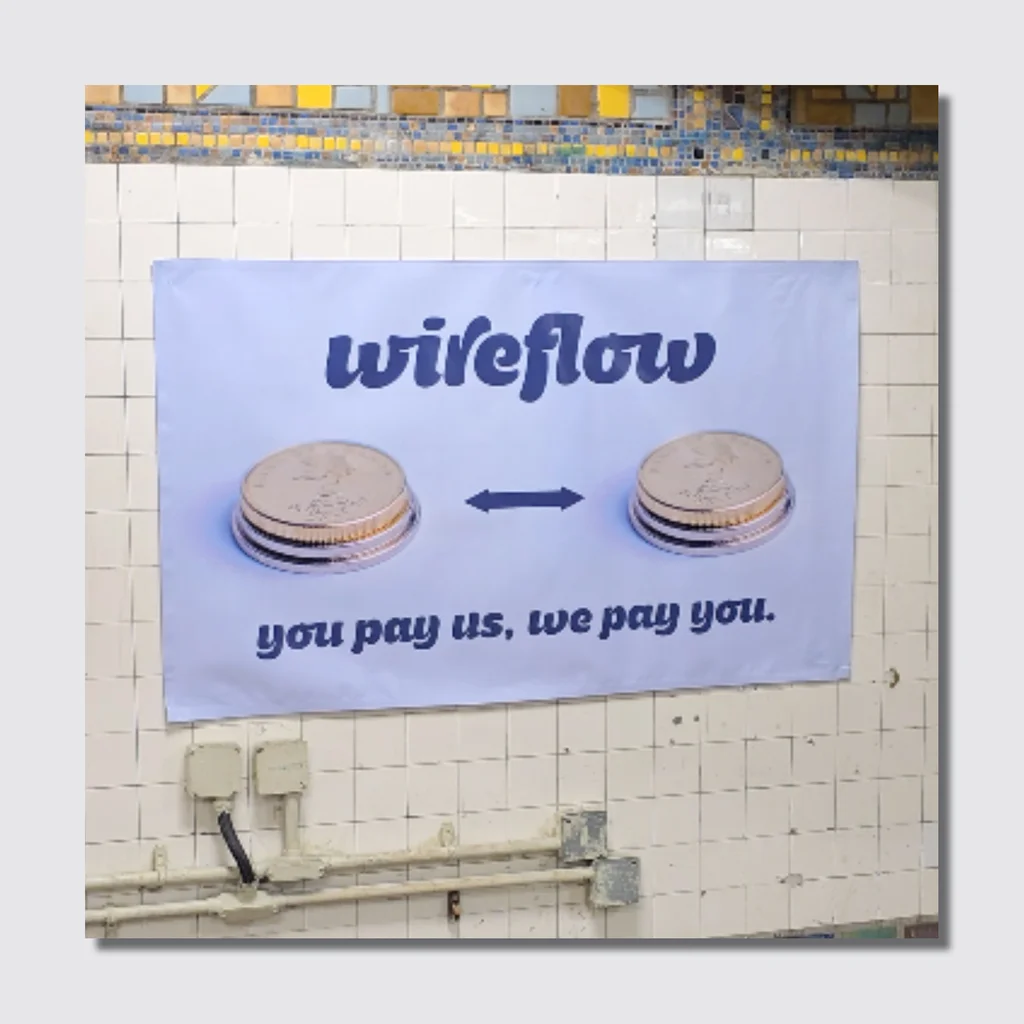
Một tấm khác thì thông báo màn tái định vị thương hiệu (rebrand) đi vào lòng đất: “Zipline giờ là Froggle. Hệ thống an toàn trực tuyến dựa trên đám mây mà bạn yêu thích, nay đã nằm gọn trong lòng bàn tay”. Hay như thương hiệu Fivetable tự tin khẳng định “Chúng tôi mang chữ Q vào QR1777”, còn Wireflow thì hứa hẹn “bạn trả tiền cho chúng tôi, chúng tôi trả tiền cho bạn”. Đúng là nghe xong chỉ biết cạn lời!
Được biết, bộ đôi Alterman và Ross lấy cảm hứng từ chính những chiến dịch quảng cáo có thật của các app công nghệ hiện nay. Chẳng hạn như quảng cáo của công cụ phát triển sản phẩm Linear (với hình ảnh con trỏ chuột hướng về bàn tay của Chúa trong bức tranh kinh điển của Michelangelo) hay ứng dụng sức khỏe tinh thần Dawn với câu slogan “Những suy nghĩ dồn dập không rảnh để ngồi phòng chờ đâu”.
Họ gọi cái sự thiếu bản sắc trong thiết kế, giọng văn và font chữ của các quảng cáo AI ngày nay là “slop voice” (giọng văn rác). Dù các câu chữ nghe có vẻ như đang trò chuyện trực tiếp với người xem, nhưng thực chất chúng chỉ đang hướng tới một www.npr.org/2026/03/18/nx-s1-5746115/billboards-san-francisco-tech-ai-advertising-marketing mà thôi. Và dĩ nhiên, www.npr.org/2026/03/18/nx-s1-5746115/billboards-san-francisco-tech-ai-advertising-marketing.
Quá trình thực hiện dự án này cũng rất thú vị. Cả hai lên ý tưởng cùng nhau qua nhóm chat, sau đó Ross thiết kế các bảng quảng cáo bằng Photoshop, rồi tự tay code website giới thiệu bằng HTML/CSS và Javascript. Dù chỉ là trò đùa châm biếm, họ thậm chí còn mở cả một cửa hàng bán đồ lưu niệm (merch) dưới tên thương hiệu Goofstump của mình nữa đấy!
Lately, walking past tech www.fastcompany.com/91528348/what-san-franciscos-ai-billboards-say-about-the-state-of-the-industry, notice anything weird? The slogans sound super punchy at first, but they actually mean absolutely nothing. Think things like “Master your reasoning” or “Put your www.fastcompany.com/section/artificial-intelligence assistants to work,” and even borderline creepy ones like “Stop hiring humans.” Cut through all that soulless AI marketing fluff, and comedians Harris Alterman and Dave Ross are serving up the perfect parody. They launched a hilarious project featuring mock billboards designed with that signature sleek, tech-minimalist aesthetic, but packed with pure, unadulterated nonsense.
These mock ads were pasted right inside a New York City subway station, mirroring the vibe of last fall’s infamous www.fastcompany.com/91413814/friend-ai-ad-campaign-founder-qa. They pose some incredibly deep, brain-melting questions: “What if a fork was a spoon?”, “What if Texas was upside down?”, and “What if the Rizzler was purple?” They even dreamed up a fictional tech company with the ultra-relatable name “Dennis.”
Another ad announces a completely unhinged rebrand: “Zipline is now Froggle. The cloud security you love, now in the palm of your hand.” Then there’s Fivetable confidently claiming, “We put the Q in QR1777,” and Wireflow promising, “You pay us, we pay you.” It’s pure corporate-speak parody that leaves everyone completely speechless!
Alterman and Ross drew inspiration straight from actual tech campaigns running today. Take the project management tool Linear, which famously showed a mouse cursor reaching out to God’s hand from Michelangelo’s classic painting. Or the mental health app Dawn, with its slogan, “Racing thoughts don’t sit in waiting rooms.”
They call this complete lack of identity in modern design, copy, and typography “slop voice.” While the text tries to sound conversational, it’s really just tailored for www.npr.org/2026/03/18/nx-s1-5746115/billboards-san-francisco-tech-ai-advertising-marketing. And honestly, it nails the vibe of www.npr.org/2026/03/18/nx-s1-5746115/billboards-san-francisco-tech-ai-advertising-marketing.
The creative process behind the project is just as fun. The duo brainstormed everything via group chat, then Ross designed the billboards in Photoshop and hand-coded a promotional website using HTML, CSS, and JavaScript. Even though it started as a satirical joke, there is now an official merch store under their brand name, Goofstump!