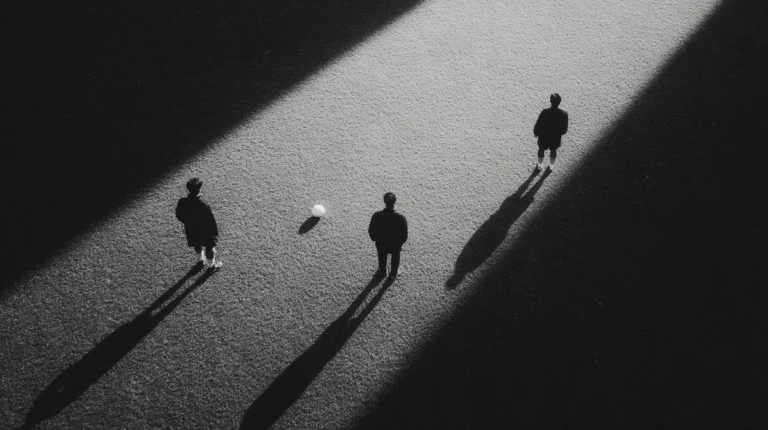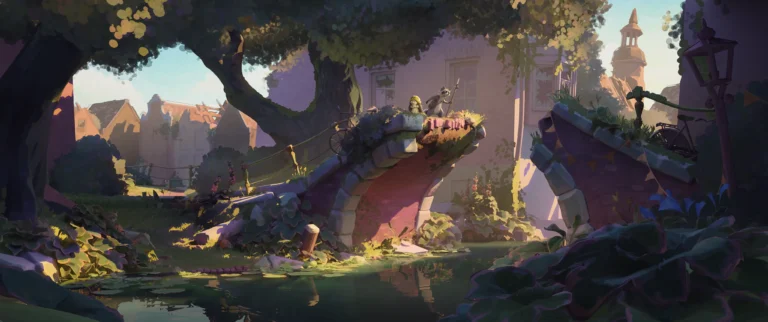
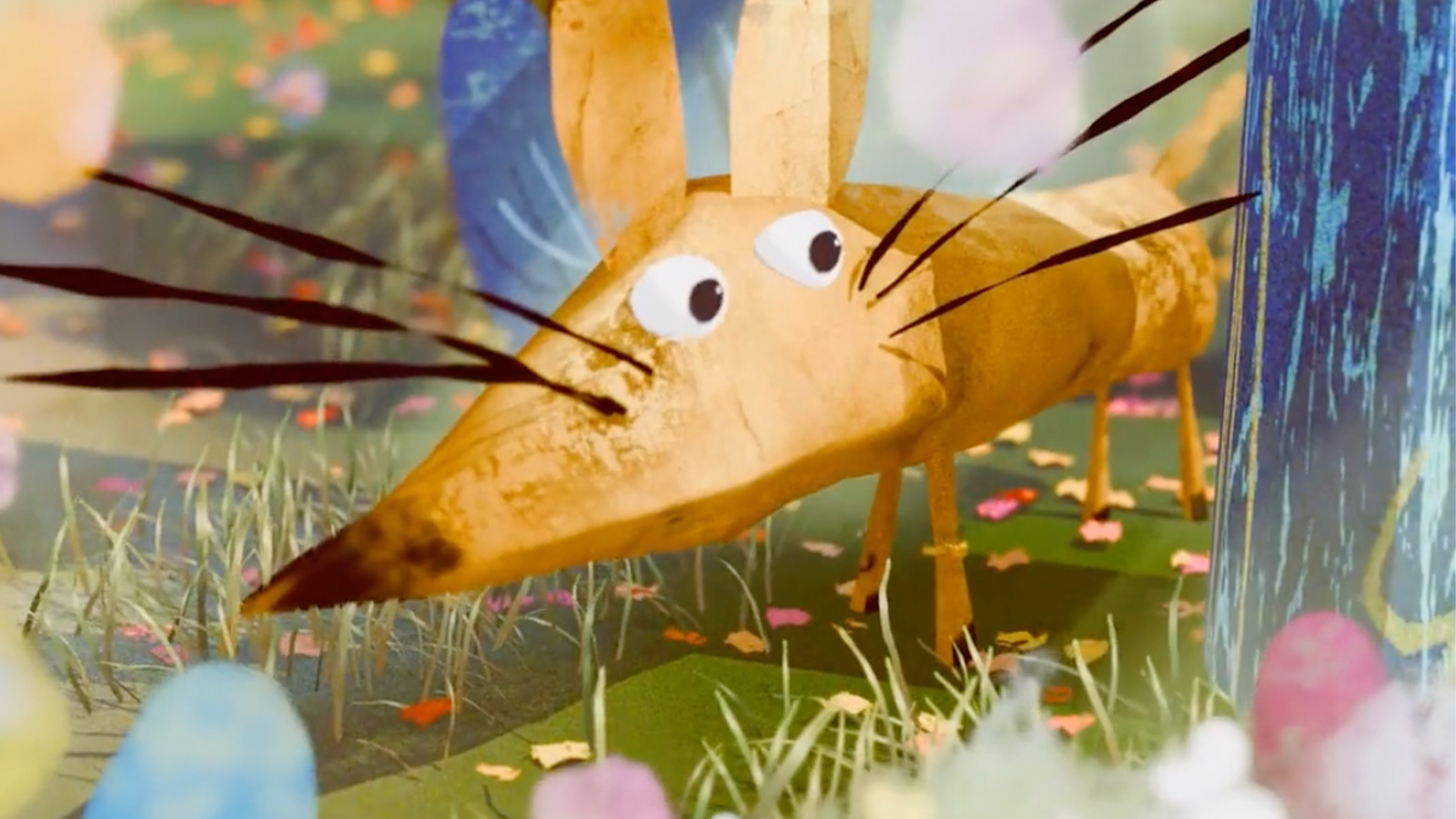
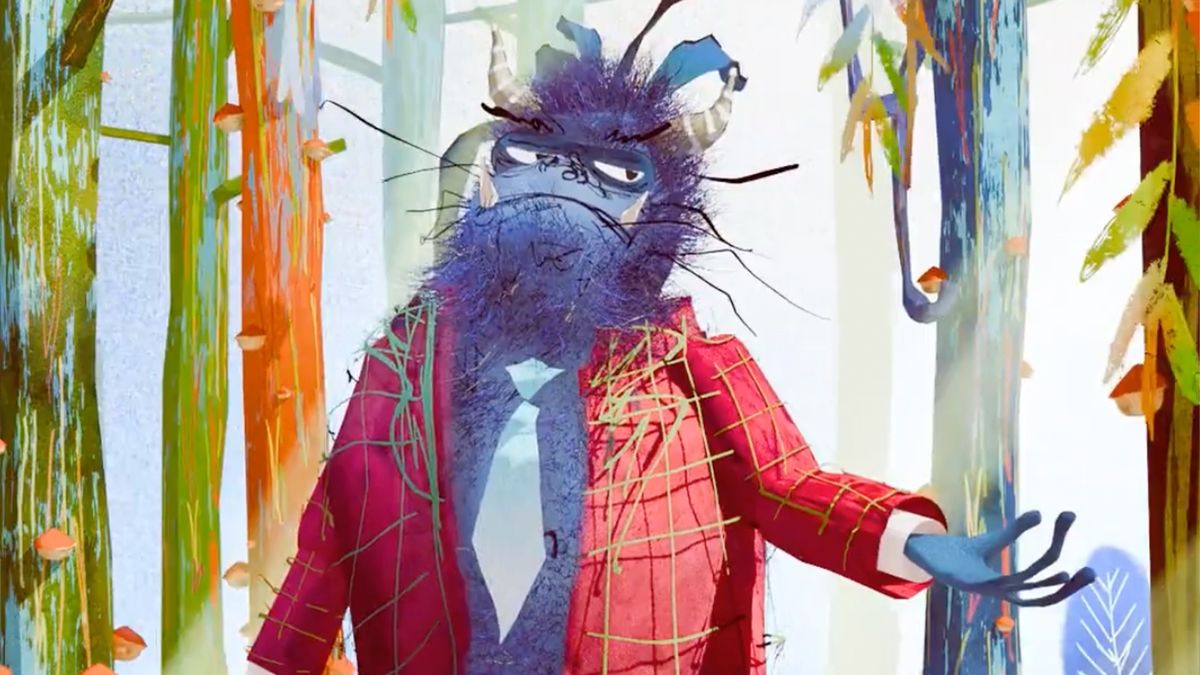
Gaku Tada’s latest masterpiece, created using the Deep Paint add-on in Blender, looks exactly like a children’s storybook brought to life. It’s a beautifully vivid reminder that having a unique, signature artistic style matters now more than ever.
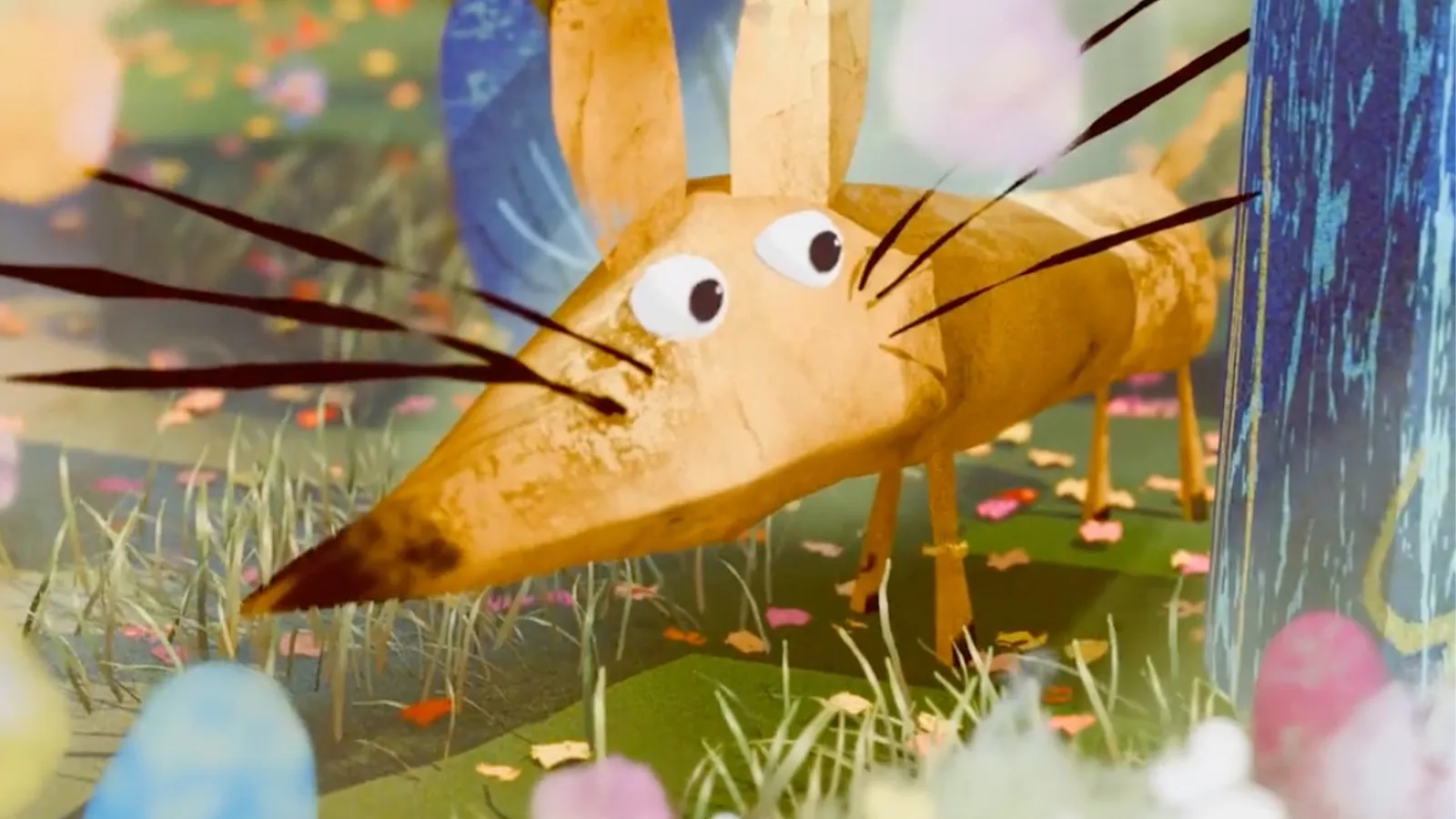
That is exactly why Gaku Tada’s latest animation is such a showstopper. By leveraging Deep Paint right inside Blender, the artist serves up a tranquil woodland environment that feels way more like a moving picture book than a standard 3D render. The trees feature soft, painterly textures, the colors blend seamlessly like watercolors, and the gentle motion is so full of life that viewers might just expect a tiny fox or rabbit to pop into the frame.
Stylized 3D has been getting seriously fascinating over the last few years. When absolutely anyone can use software to whip up hyper-realistic imagery, looking real isn’t the ultimate flex anymore. Looking completely original is where the real value lies.
Tada completely nails this originality. Even though Blender is still doing the heavy lifting with lighting, cameras, and animation, the final piece skips that generic, polished industrial veneer. Instead, it feels wonderfully warm, tactile, and handcrafted—sporting loose, sketchy edges that belong right inside a whimsical children’s book.
There’s a growing movement of Blender creators leaning heavily into Grease Pencil, NPR (non-photorealistic) rendering, and tools like Deep Paint. These assets strip away the stiff, clinical nature of default 3D, breaking free from the cookie-cutter look of traditional animation to move toward something much closer to fine illustration. The goal here isn’t to fool the eye into believing it’s real; it’s to make the audience feel something meaningful.
That distinction feels incredibly relevant in the age of AI. Since artificial intelligence can churn out polished, cinematic visuals in a matter of seconds, it has flooded the scene with short animations sharing the exact same visual language and identity. In a sea of copy-paste aesthetics, artists with a distinct, personal style shine brighter than ever. Tada’s painterly landscapes have that exact quality—the work is instantly recognizable before the creator’s name even appears.
Breaking down how this project came together is pure gold. It’s not about copying the technique, but rather a brilliant reminder that the most breathtaking 3D work doesn’t need to chase realism. Taking cues from classic illustration, traditional painting, and graphic design can open up a far more exciting creative path.
Be sure to x.com/Gakutadar to stay updated on new projects and catch a steady stream of fresh creative inspiration.
Tác phẩm mới nhất của nghệ sĩ Gaku Tada được thực hiện bằng công cụ Deep Paint trong Blender trông chẳng khác nào một trang sách thiếu nhi bước ra đời thực. Đây là một minh chứng rõ ràng cho thấy phong cách nghệ thuật cá nhân ngày càng trở nên quan trọng hơn bao giờ hết.
Đó là lý do vì sao đoạn animation mới của Gaku Tada lại giữ chân người xem lâu đến vậy. Sử dụng Deep Paint trong phần mềm Blender, nghệ sĩ này đã tạo ra một khung cảnh khu rừng yên bình, mang lại cảm giác của một cuốn truyện tranh đang chuyển động hơn là một sản phẩm 3D thông thường. Những cái cây có texture mềm mại như tranh vẽ, màu sắc loang vào nhau như màu nước, và chuyển động nhẹ nhàng khiến người ta cứ ngỡ một chú cáo hay thỏ sắp sửa bước ra.
Xu hướng 3D cách điệu (stylised 3D) đang ngày càng trở nên thú vị trong vài năm trở lại đây. Khi ai cũng có thể tiếp cận những công cụ tạo ra hình ảnh siêu thực, thì việc làm cho giống thật không còn quá đặc biệt nữa. Sự độc bản mới là điều đáng giá.
Gaku Tada đã làm rất tốt điều đó. Dù Blender vẫn đảm nhận phần ánh sáng, camera và chuyển động, nhưng thành phẩm lại không hề mang cảm giác bóng bẩy, công nghiệp. Thay vào đó là sự ấm áp, mộc mạc và đậm chất thủ công với những đường nét phóng khoáng, hệt như những nét vẽ trong sách truyện.
Hiện tại, ngày càng có nhiều nghệ sĩ Blender tìm đến Grease Pencil, NPR rendering (kết xuất không tả thực) và các công cụ như Deep Paint. Chúng giúp giảm bớt sự thô cứng vốn có của 3D, thoát khỏi lối mòn của hoạt hình 3D truyền thống để hướng tới phong cách minh họa nhiều hơn. Mục tiêu ở đây không phải là đánh lừa thị giác rằng hình ảnh đó có thật, mà là chạm vào cảm xúc của người xem.
Điều này lại càng có ý nghĩa trong thời đại AI. Khi trí tuệ nhân tạo có thể tạo ra những hình ảnh điện ảnh bóng bẩy chỉ trong vài giây, vô tình tạo ra một làn sóng các video hoạt hình ngắn có cùng một ngôn ngữ thị giác và bản sắc giống nhau. Trong bối cảnh đó, những nghệ sĩ giữ được chất riêng sẽ nổi bật hơn bao giờ hết. Bạn có thể nhận ra phong cách tranh vẽ của Tada ngay cả trước khi nhìn thấy tên tác giả.
Việc tìm hiểu cách tác phẩm này được tạo ra là một trải nghiệm đáng giá. Không phải để sao chép, mà để tự nhắc nhở bản thân rằng những tác phẩm 3D ấn tượng nhất đôi khi không hề theo đuổi sự tả thực, mà học hỏi từ minh họa, hội họa truyền thống và graphic design để tạo nên một lối đi riêng thú vị hơn nhiều.
Bạn có thể x.com/Gakutadar để cập nhật thêm nhiều sản phẩm và nguồn cảm hứng mới.
Nguồn: creativebloq.com