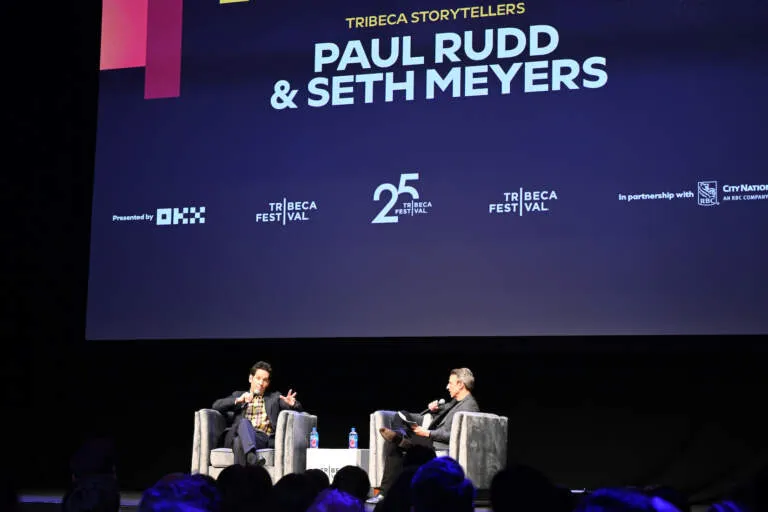
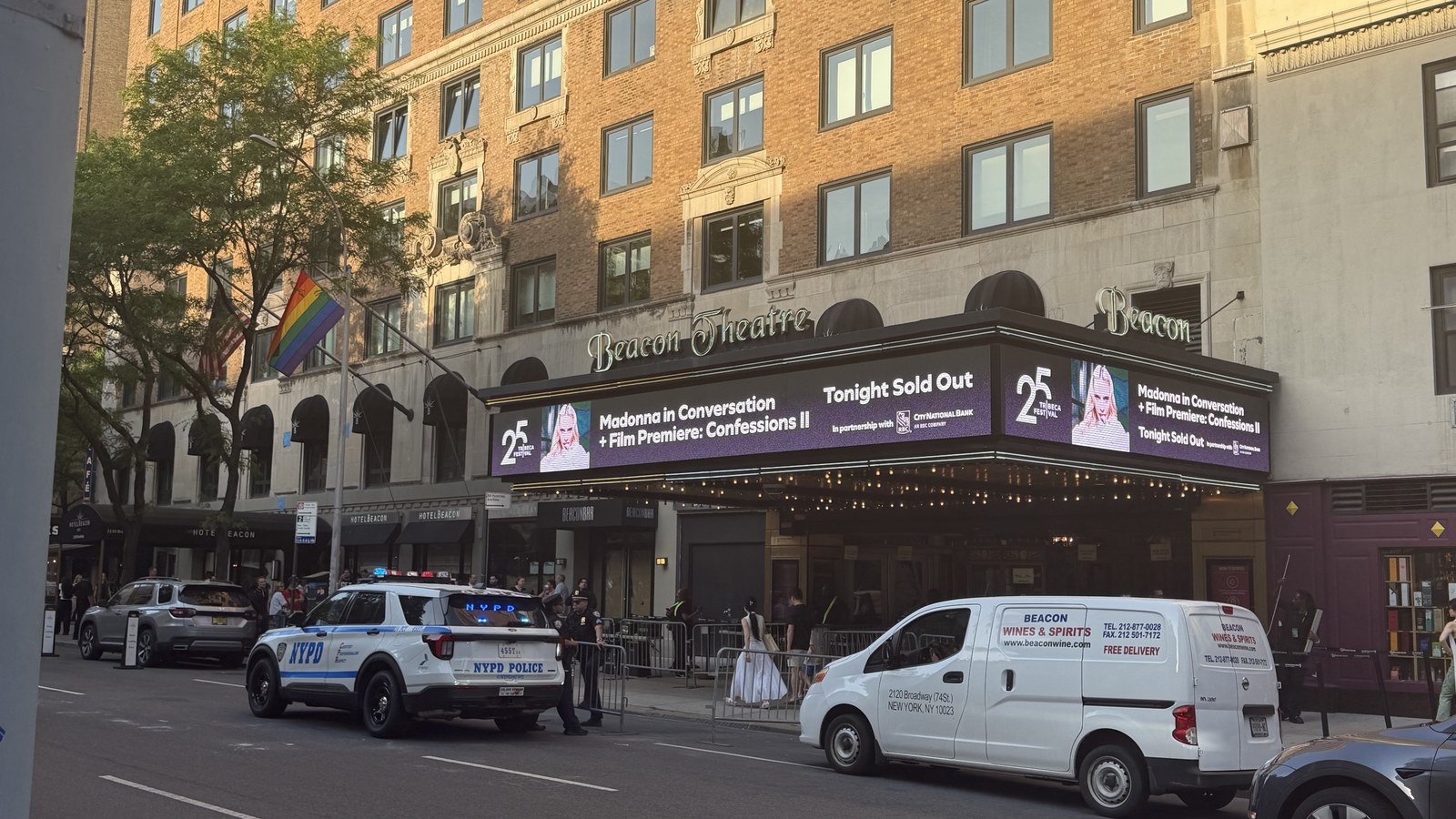
Tại liên hoan phim Tribeca, một trải nghiệm khá lạ lùng đã diễn ra: tất cả khán giả đều phải cất điện thoại vào túi niêm phong. Không camera, không màn hình phát sáng, mọi người hoàn toàn tập trung vào bóng tối để chờ đợi hình ảnh bắt đầu. Đó chính là buổi công chiếu bộ phim ngắn Confessions II của Madonna.
Suốt hơn bốn thập kỷ qua, nữ ca sĩ này không chỉ xem nhạc pop là một thể loại âm nhạc, mà là cả một hệ thống thị giác toàn diện. Một bài hát của Madonna khi ra mắt luôn đi kèm bối cảnh, ánh sáng, vũ đạo, kỹ thuật dựng phim và dàn dựng sân khấu hoành tráng. Bà không trực tiếp chạm vào phần mềm, nhưng lại là một nhà định hướng thiết kế đồ họa chuyển động đại tài, người tạo ra linh hồn cho từng khung hình.
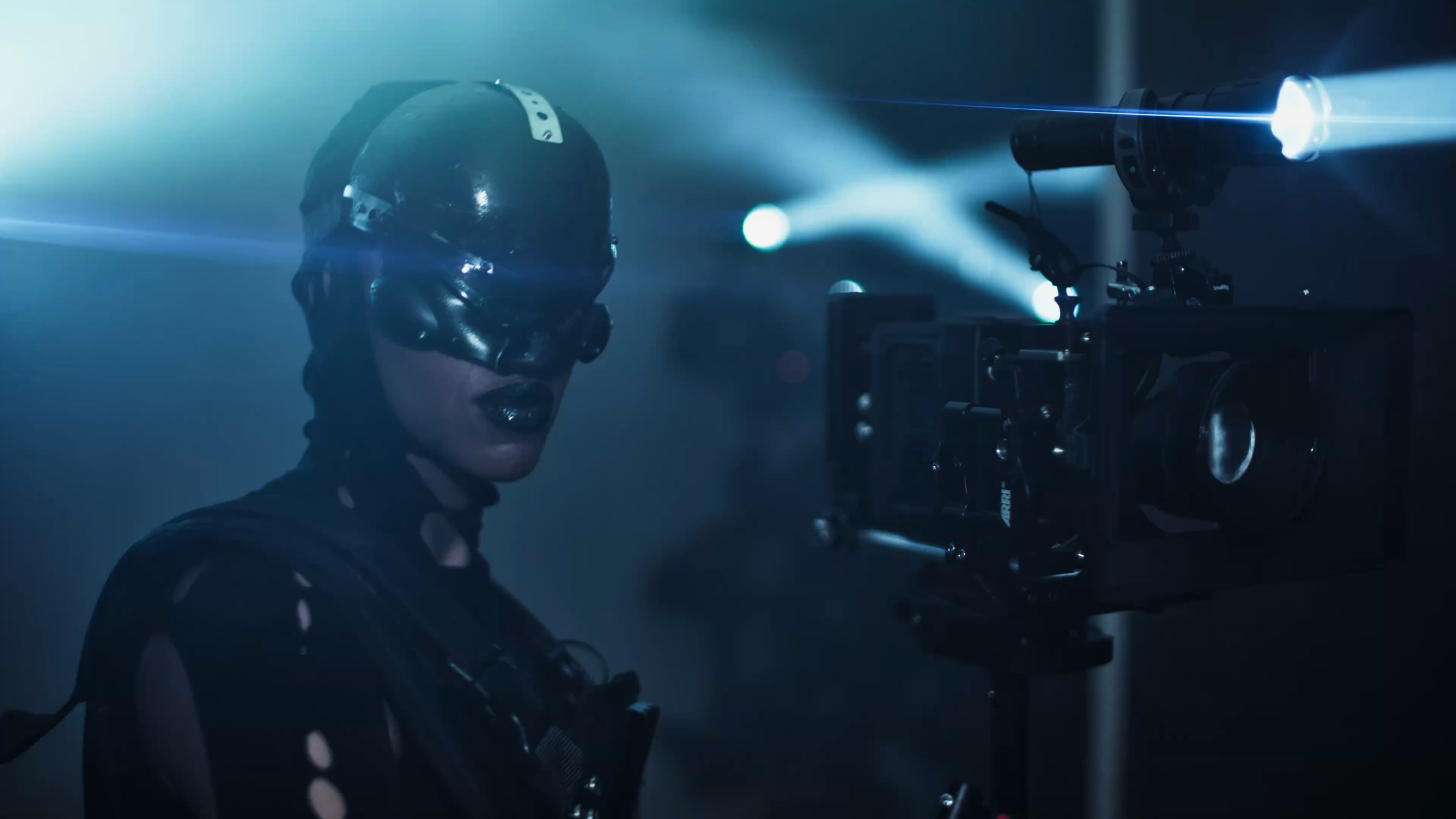
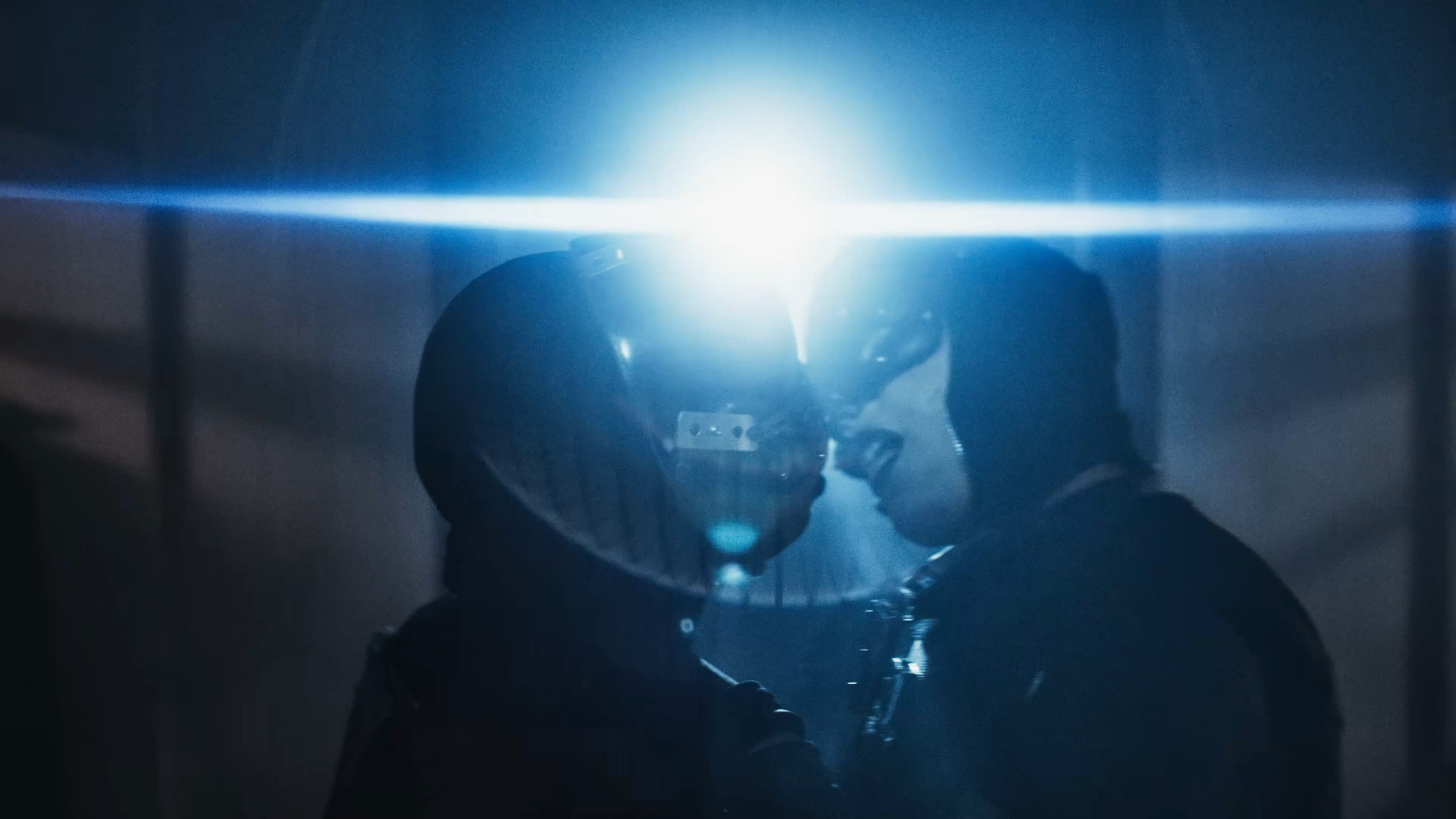
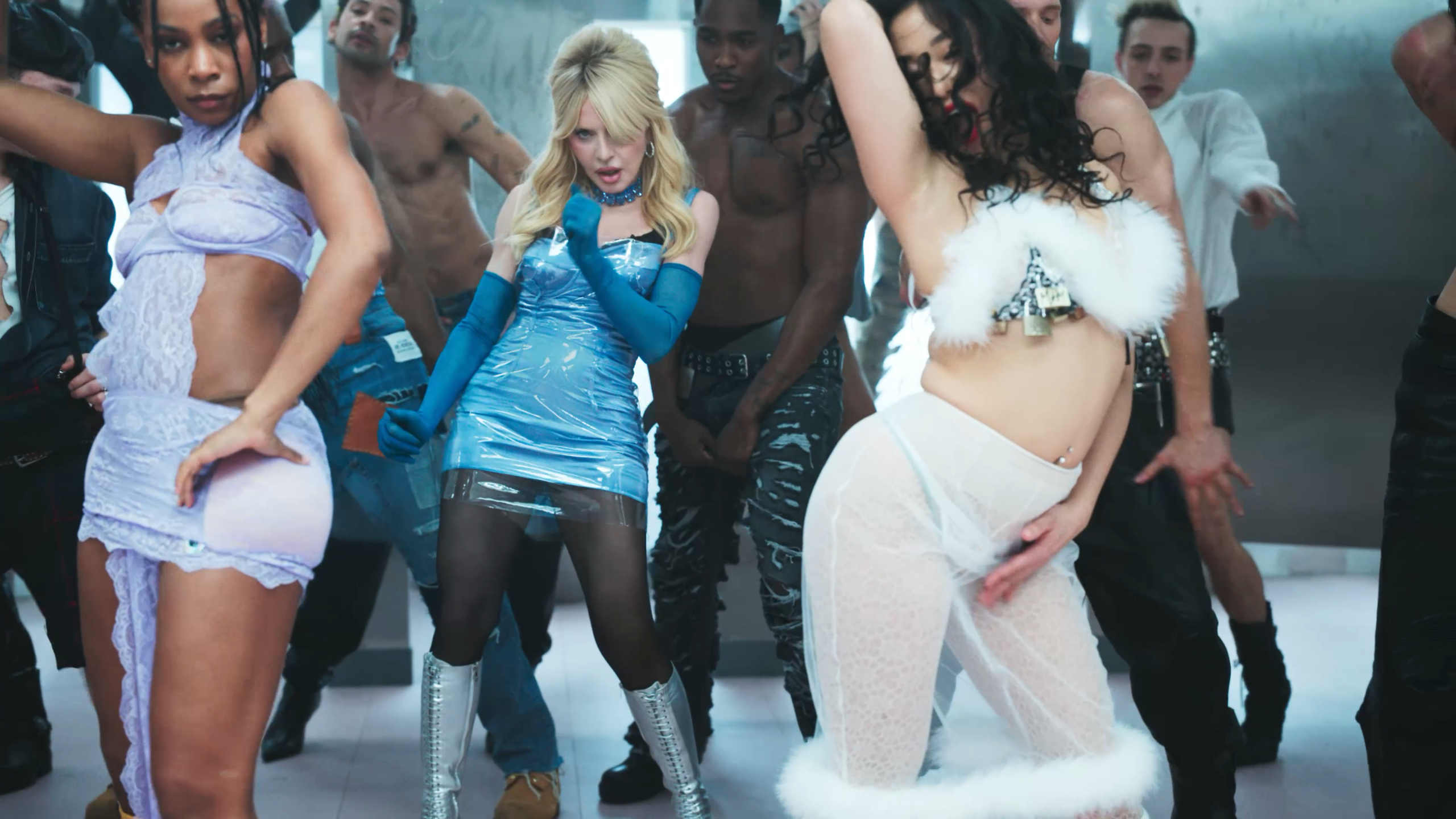
Dự án phim ngắn Confessions II do creative studio TORSO (David Toro và Solomon Chase) đạo diễn, được xây dựng dựa trên 6 ca khúc đầu tiên trong album mới của bà. Tác phẩm di chuyển như một chuỗi chuyển động không ngừng nghỉ, đưa người xem quay lại nơi mọi ngôn ngữ hình ảnh của Madonna bắt đầu: sàn nhảy. Giữa thời đại của thuật toán và sự hoàn hảo nhân tạo, dự án này mang đậm tính người, đầy mồ hôi, thể xác và đậm chất điện ảnh.
Người thầy thị giác đầu tiên
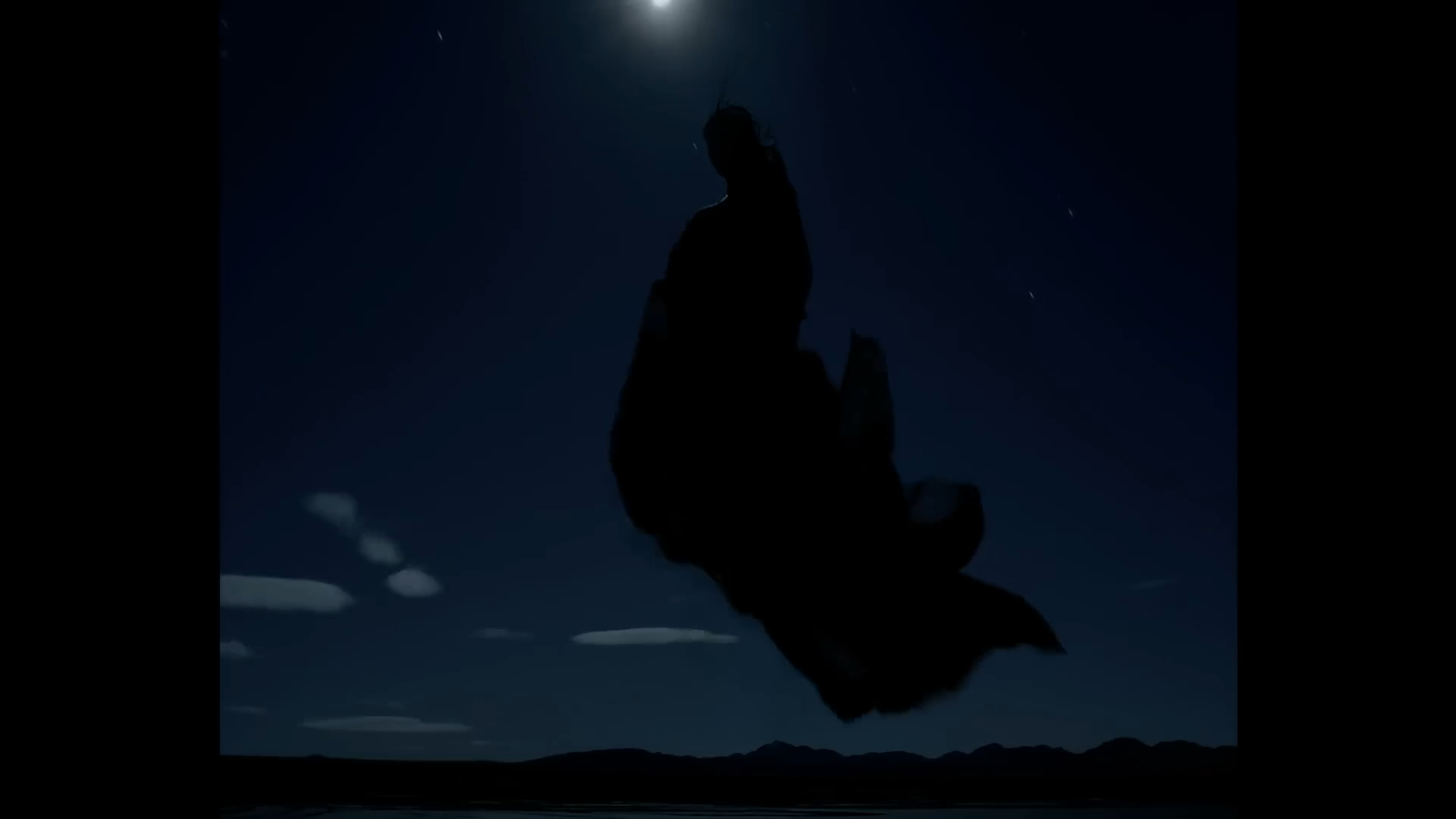
Đối với giới thiết kế, Madonna giống như người thầy dạy cách làm cho hình ảnh chuyển động và mang lại ý nghĩa sâu sắc. Hãy nhớ lại “Frozen” trong album Ray of Light. Hình ảnh sa mạc hoang vu, tà áo đen chuyển động như những cơn giông bão kết hợp cùng âm nhạc đã mở ra một hành trình cảm xúc lay động lòng người. Với Madonna, ngay cả tâm hồn cũng được truyền tải qua thị giác.
Một ví dụ kinh điển khác là MV Bedtime Story (1995) do Mark Romanek đạo diễn. Khi xem lại, khó ai nghĩ rằng nó đã được làm từ hàng chục năm trước vì tính nghệ thuật vượt thời gian, lấy cảm hứng từ các họa sĩ siêu thực như Leonora Carrington và Frida Kahlo. Tác phẩm này hiện đang được lưu giữ vĩnh viễn tại Bảo tàng Nghệ thuật Hiện đại (MoMA). Madonna luôn biết cách biến màn hình điện tử thành một không gian nghệ thuật đích thực, từ Vogue với David Fincher, Ray of Light với Jonas Åkerlund cho đến Hung Up với Johan Renck.
Điểm đặc biệt ở Confessions II là sự tin tưởng tuyệt đối vào cơ thể con người. Khung hình không dùng vũ công để trang trí, mà theo sát từng cử động, nhịp thở và sự mệt mỏi như một minh chứng cho sự sống. Cơ thể trong nghệ thuật của Madonna luôn là nơi thể hiện những thông điệp mạnh mẽ về nữ quyền, cộng đồng queer, và sự phản kháng lại việc bị lãng quên theo thời gian.
Các buổi concert của bà luôn là một bữa tiệc thị giác kéo dài ba tiếng đồng hồ, biến những điều quá mức trở nên thiêng liêng, đưa những mảnh đời bên lề vào vị trí trung tâm của khán phòng.
Những khoảng lặng đầy nghệ thuật
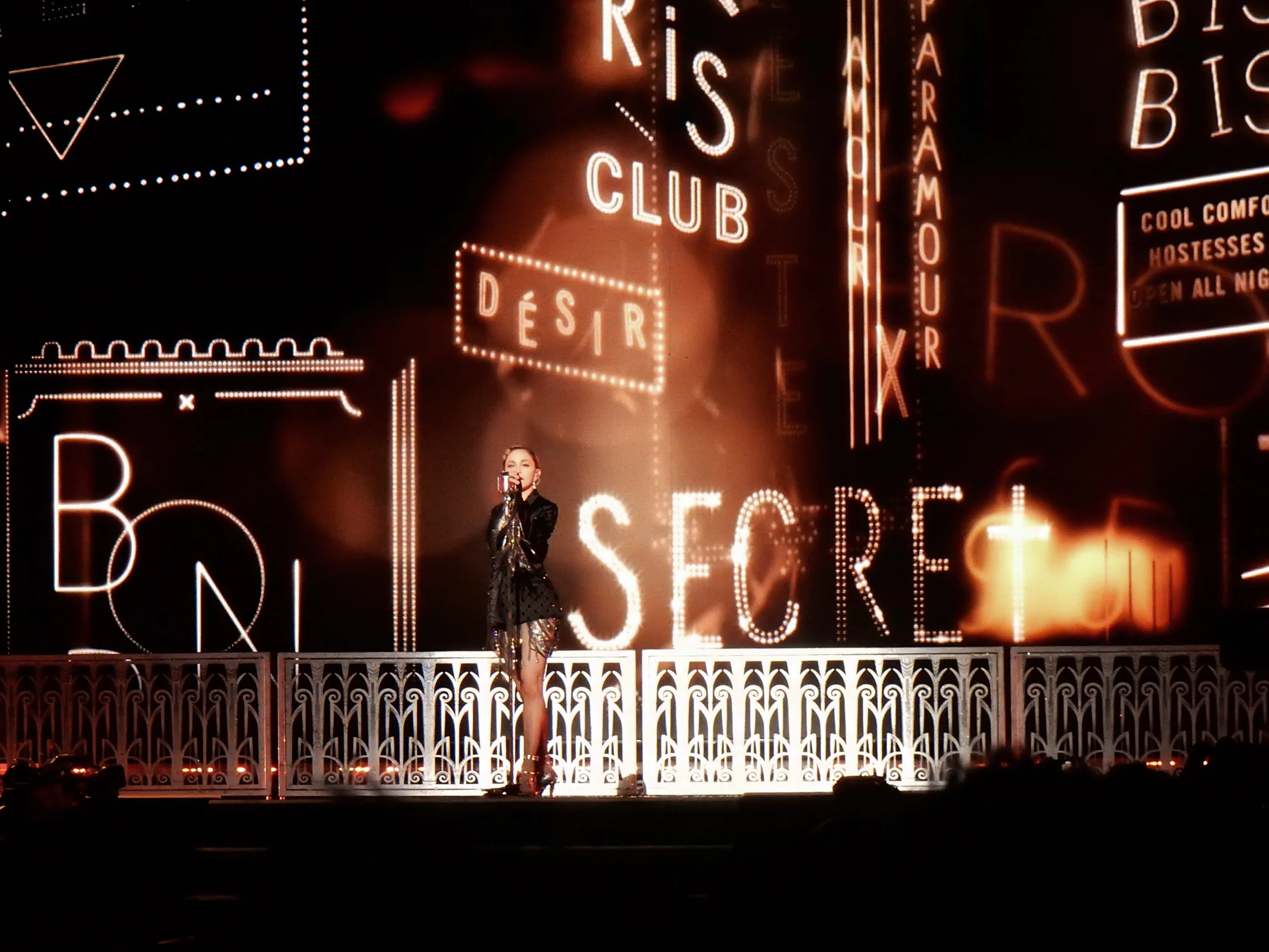
Trong các tour diễn, phần chuyển mục khi ca sĩ thay trang phục backstage chính là nơi thế giới thị giác được mở rộng tối đa. Màn hình LED khổng lồ biến thành những kiến trúc cảm xúc: hình ảnh tan chảy, gương mặt nhân bản, biểu tượng xuất hiện rồi biến mất. Trình dựng phim lúc này đóng vai trò như một biên đạo múa, giữ chân khán giả trong giấc mơ điện ảnh.
Chẳng hạn như trong Drowned World Tour (2001), màn hình đã bùng nổ với các thước phim anime Nhật Bản, nổi bật là tác phẩm Perfect Blue (1997) của Satoshi Kon. Hay trong Sticky & Sweet Tour (2008), phần interlude “Get Stupid” sử dụng kỹ thuật motion design đỉnh cao để lồng ghép hình ảnh live-action của Madonna vào những thước phim tư liệu về nạn đói, chiến tranh và biến đổi khí hậu, tạo nên một tuyên ngôn chính trị đầy táo bạo ngay trên sân khấu.
Sân khấu của Madonna chưa bao giờ đơn thuần là nơi biểu diễn, nó là một giao diện, một cỗ máy nghệ thuật. Từ momentfactory.com/products/madonna-mdna-tour với 36 khối LED chuyển động cơ học, thế giới hình ảnh của momentfactory.com/products/madonna-rebel-heart-tour cho đến màn biểu diễn tại momentfactory.com/products/super-bowl-xlvi-halftime-show-madonna biến cả sân vận động thành thảm ánh sáng, tất cả đều chứng minh một điều: âm nhạc có tính không gian và có thể xây dựng thành một thế giới thực thụ.
Hệ thống con người trước làn sóng AI
Gần đây, những chia sẻ của Madonna về trí tuệ nhân tạo (AI) đã thu hút nhiều sự chú ý. Bà phản đối việc nhầm lẫn giữa sản xuất hàng loạt trơn tru với sự sáng tạo đích thực. Chạy theo số liệu và lượt theo dõi một cách an toàn chính là khắc tinh của nghệ thuật. Dù ê-kíp của bà từng tiên phong thử nghiệm công cụ tạo video từ văn bản của Runway để xây dựng thế giới hình ảnh cho “La Isla Bonita”, góc nhìn của bà vẫn rất rõ ràng: công nghệ phải làm sâu sắc thêm trải nghiệm của con người chứ không phải để thay thế nó.
Đó là lý do vì sao Confessions II là một tuyên ngôn vững chắc cho giá trị cốt lõi của con người: sự cống hiến của vũ công, tư duy nhạy bén của đạo diễn và những giọt mồ hôi trên sàn tập để biến ý tưởng thành hiện thực.
Đối với cộng đồng thiết kế đồ họa chuyển động, Madonna đã góp phần đặt nền móng cho ngôn ngữ thị giác hiện đại: những cú cắt cảnh theo nhịp điệu, góc máy tôn vinh hình thể, sân khấu giả lập không gian và màn hình như một lời tự sự. Đó là những di sản vô giá mà thế hệ designer ngày nay vẫn đang tiếp tục sử dụng mỗi ngày.
Khi hình ảnh đọng lại thành trải nghiệm
Vì không có sự can thiệp của điện thoại, những gì đọng lại sau đêm diễn tại nhà hát Beacon không phải là những thước phim trên mạng xã hội, mà là cảm xúc chân thực. Khán giả đứng dậy vỗ tay, âm thanh vang vọng khắp khán phòng. Khi bước ra đại lộ Broadway, thay vì bấm nút đăng bài, mọi người quay sang trò chuyện, kể cho nhau nghe về những gì mình vừa chứng kiến.
Album Confessions II chính thức ra mắt vào ngày 3 tháng 7 năm 2026, đánh dấu sự tái hợp giữa Madonna và nhà sản xuất Stuart Price. Sàn nhảy một lần nữa mở ra như một cổng không gian giúp con người tự do tái tạo bản thân. Công cụ thiết kế có thể thay đổi nhanh hơn qua từng tháng, nhưng những tác phẩm trường tồn sẽ luôn đòi hỏi một góc nhìn cá tính, sự mạo hiểm, tư duy thẩm mỹ và sự tâm huyết của con người.
At the Tribeca Film Festival, a pretty wild experiment went down: everyone had to lock their phones in sealed bags. No cameras, no glowing screens—just total darkness and pure anticipation. This was the exclusive premiere of Madonna’s short film, Confessions II.
For over four decades, the Queen of Pop has treated pop music as a full-blown visual ecosystem, not just something to listen to. Every single track drops with an entire universe of lighting, choreography, editing style, and massive stage production. Even without opening a piece of software herself, she acts as the ultimate motion design creative director, breathing soul into every frame.
Directed by the creative studio TORSO (David Toro and Solomon Chase), Confessions II is built around the first six tracks of her latest album. The film plays out like one continuous, hypnotic wave of motion, bringing viewers right back to where Madonna’s visual language was born: the dance floor. In a world dominated by algorithms and sterile AI perfection, this project feels deeply human—packed with sweat, raw energy, and cinematic grit.
The Ultimate Visual Mentor For the design community, Madonna has always been a masterclass in how to make images move with purpose. Think back to “Frozen” from the Ray of Light album. That barren desert, the black fabric whipping around like a gathering storm—it combined with the track to create an unforgettable emotional journey. For Madonna, visuals are the direct window to the soul.
Another classic is the “Bedtime Story” music video (1995), directed by Mark Romanek. Watching it today, it’s hard to believe it was made decades ago. It’s completely timeless, pulling inspiration from surrealist painters like Leonora Carrington and Frida Kahlo. The piece is actually a permanent part of the Museum of Modern Art (MoMA) collection. Whether teaming up with David Fincher for “Vogue,” Jonas Åkerlund for “Ray of Light,” or Johan Renck for “Hung Up,” Madonna consistently transforms a simple screen into a fine art gallery.
The Body is the Technology What stands out about Confessions II is its absolute trust in human movement. The camera doesn’t treat dancers like background props; it tracks every muscle flex, every heavy breath, and every ounce of exhaustion as a celebration of being alive. In her art, the body serves as a powerful canvas for themes of feminism, queer culture, and reclaiming relevance in a world that rushes past.
Her concerts are legendary three-hour visual feasts that elevate the over-the-top into something sacred, putting marginalized stories right in the center of the spotlight.
Artistic Intermissions During her massive tours, the interlude sections—where she changes costumes backstage—are where the visual experimentation completely blows up. Giant LED screens transform into emotional architectures, featuring melting textures, cloned faces, and fleeting iconography. The video editing essentially becomes a choreographer, keeping the audience locked in a cinematic dream state.
Take the 2001 Drowned World Tour, where screens erupted with stunning Japanese anime, notably referencing Satoshi Kon’s 1997 masterpiece Perfect Blue. Or the 2008 Sticky & Sweet Tour, where the “Get Stupid” interlude used top-tier motion design to blend live-action footage of Madonna with hard-hitting documentary clips about famine, war, and climate change, turning the stage into a bold political statement.
A Madonna stage is never just a place to sing; it’s an interactive interface and a massive art machine. From the momentfactory.com/products/madonna-mdna-tour with its 36 motorized, moving LED cubes, to the dazzling visual world of the momentfactory.com/products/madonna-rebel-heart-tour, all the way to the iconic momentfactory.com/products/super-bowl-xlvi-halftime-show-madonnathat turned an entire stadium field into a living tapestry of light, the proof is clear: music is spatial and can be engineered into an immersive universe.
Humans vs. The AI Wave Madonna’s recent thoughts on artificial intelligence (AI) have sparked a lot of great conversations. There is a firm stance here against confusing slick, mass-produced content with genuine creativity. Playing it safe to chase metrics and follower counts is the ultimate buzzkill for real art. Even though her team was among the pioneers experimenting with Runway’s text-to-video tools to build the visual landscape for “La Isla Bonita,” the philosophy remains crystal clear: technology should deepen the human experience, not replace it.
That’s exactly why Confessions II stands as such a strong statement for human value—celebrating the grit of the dancers, the sharp vision of the directors, and the literal sweat shed in the studio to bring a concept to life.
For the motion design community, Madonna helped write the playbook for modern visual language: rhythmic jump cuts, camera angles that celebrate form, spatial stage simulation, and screens that tell a story. This is the incredible legacy that today’s designers still pull from every single day.
When Visuals Become Memories Without the distraction of smartphones, what lingered after that Beacon Theatre screening wasn’t a collection of social media clips, but pure, unfiltered emotion. The crowd stood up in a massive ovation, sound echoing through the hall. Walking out onto Broadway, instead of tapping screens to post updates, people were actually talking, sharing their awe, and connecting over what they just witnessed.
The Confessions II album officially drops on July 3, 2026, marking a brilliant reunion between Madonna and producer Stuart Price. The dance floor opens up once again as a cosmic portal for self-reinvention. Design tools might evolve at lightning speed month by month, but timeless work will always demand a bold perspective, a bit of risk, high-end aesthetics, and a whole lot of human soul.