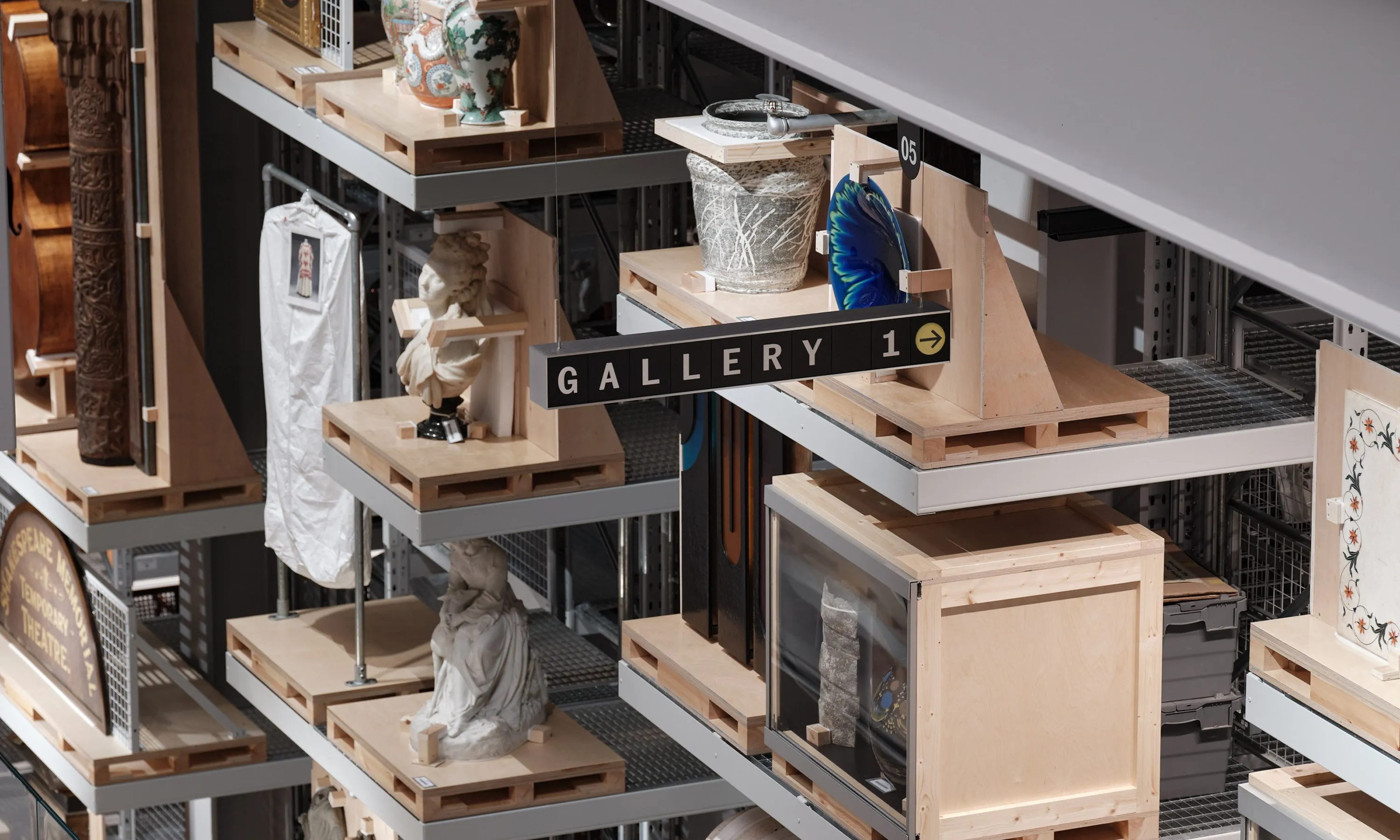
V&A East Storehouse Wayfinding: When Signage Acts Like Software Instead of sticking to traditional museum signage, Fieldwork Facility took a fresh angle by treating the V&A East Storehouse project like physical software—a flexible, low-emission system that is effortless to update.
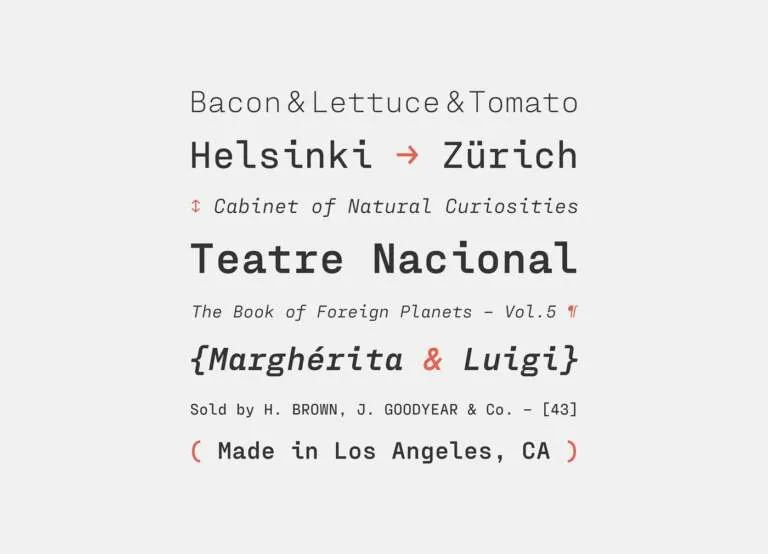
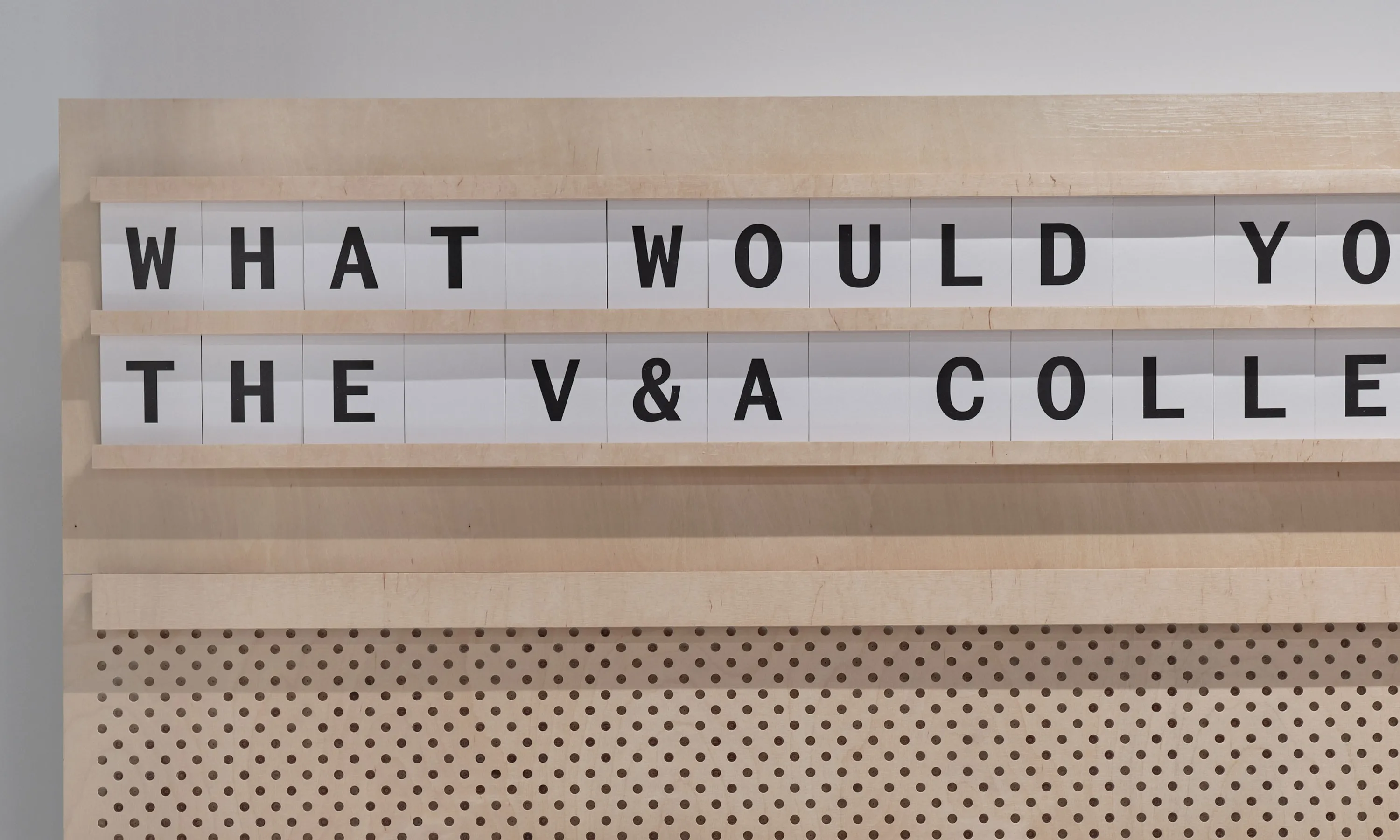
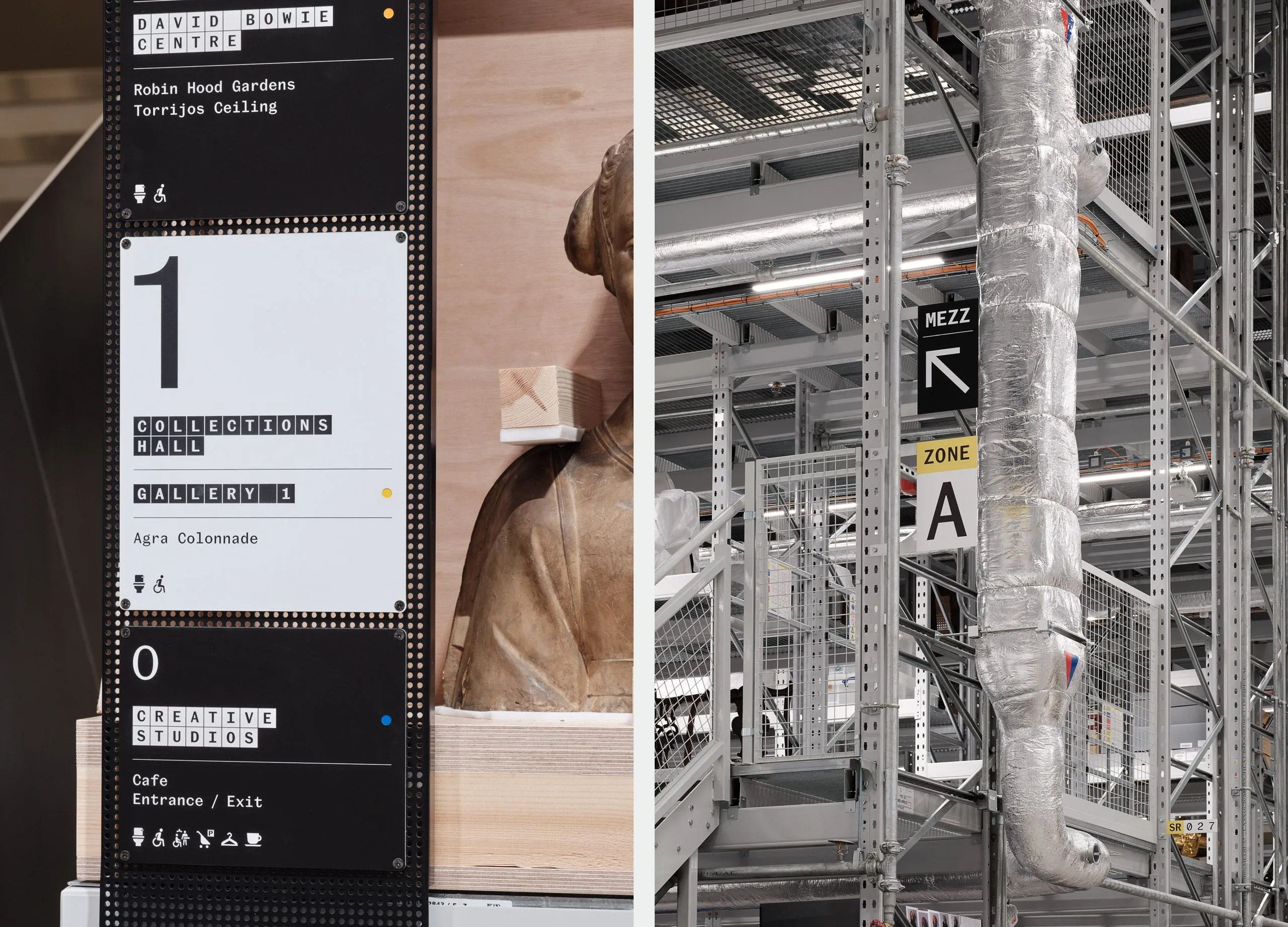
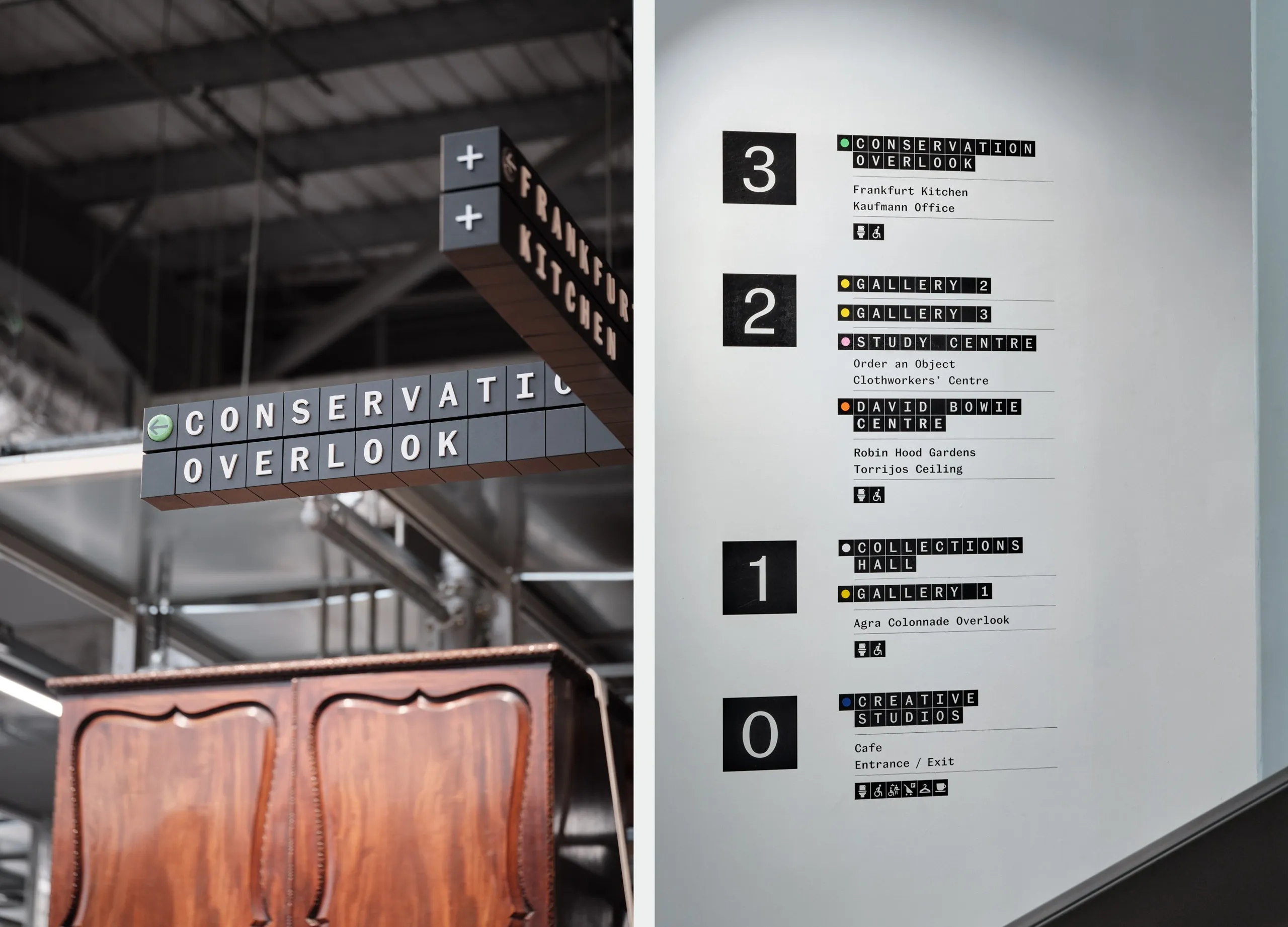
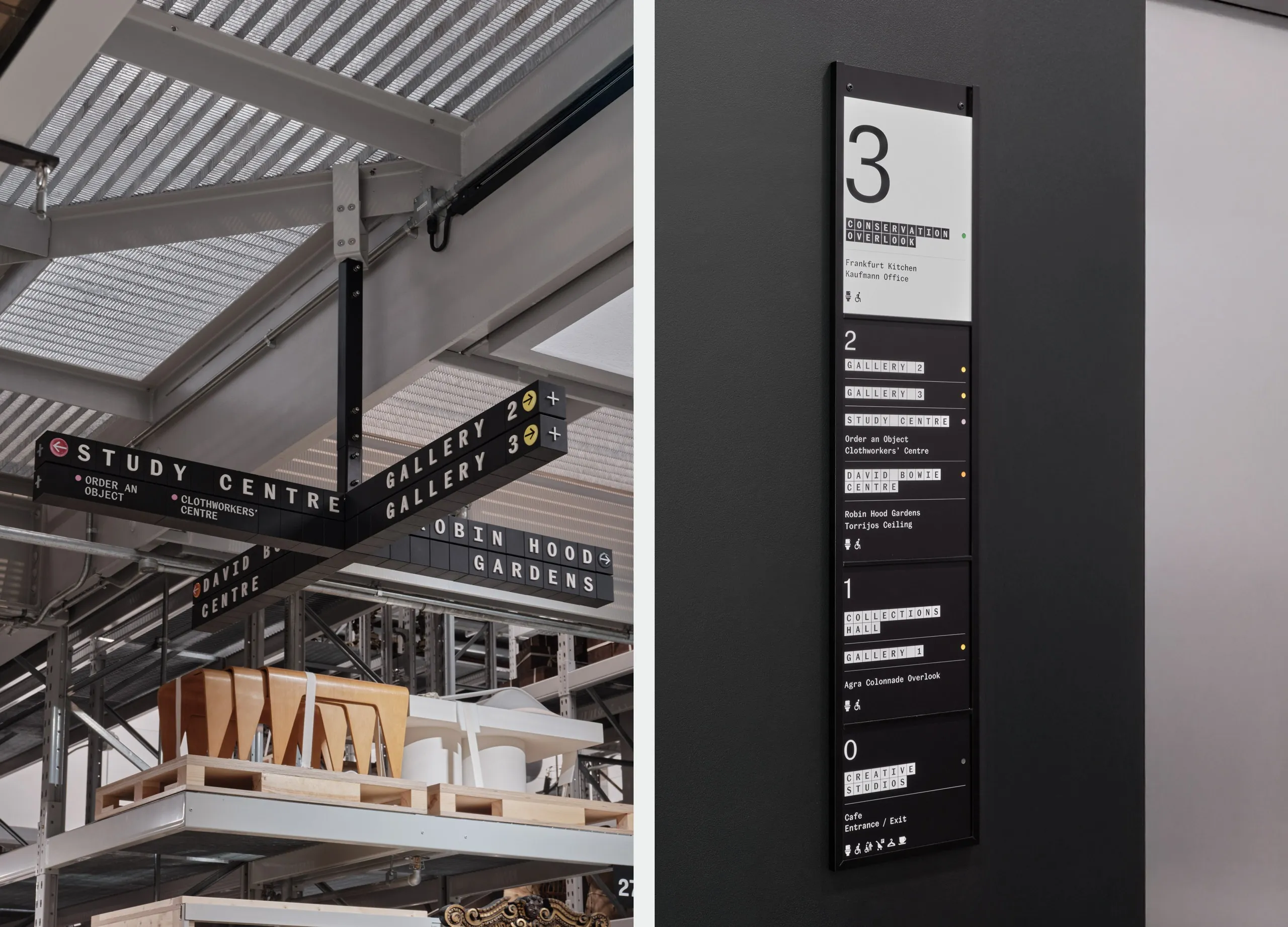
The real standout here is Spiller Mono, a custom monospace font crafted by Commercial Type based on the V&A’s signature typeface. Channeling early computers and classic code editors, the characters sit inside modular tiles that swap out seamlessly, much like a train station display board. From a multi-material welcome wall to dot-matrix light tracks and playful highlighter accents, every detail feels like a machine ready to run live. This clever concept even earned the project a spot on the regional showcase list for the Dezeen Awards 2026.
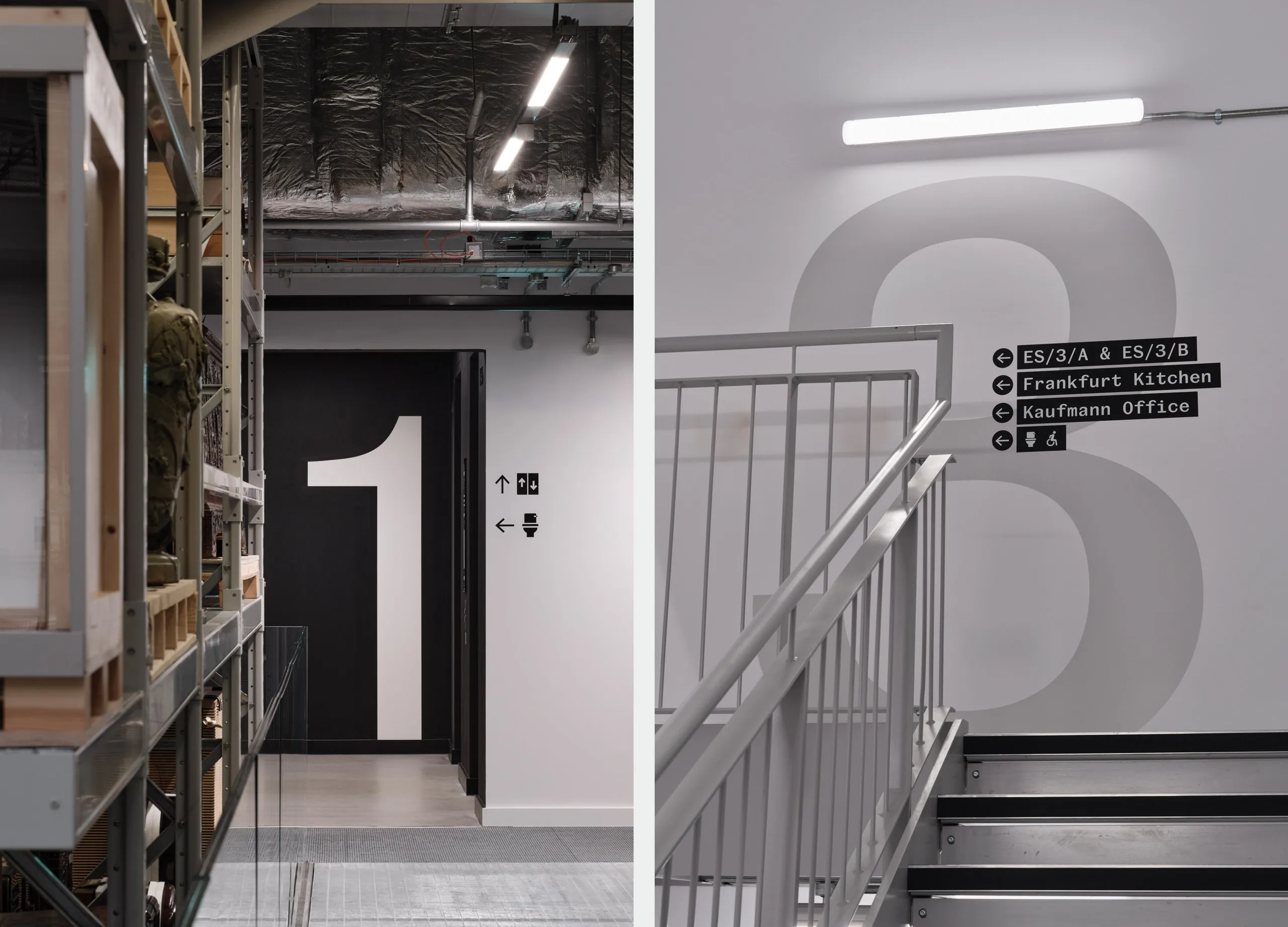
Thanks to the grid structure of monospace type, display elements like labels, directional totems, and info panels are assembled from swappable pieces—eliminating the need to reprint entire signs whenever content updates. Layered information flows with the rhythm of a coding interface, while oversized floor numbers painted directly onto the walls make navigating between levels crystal clear.
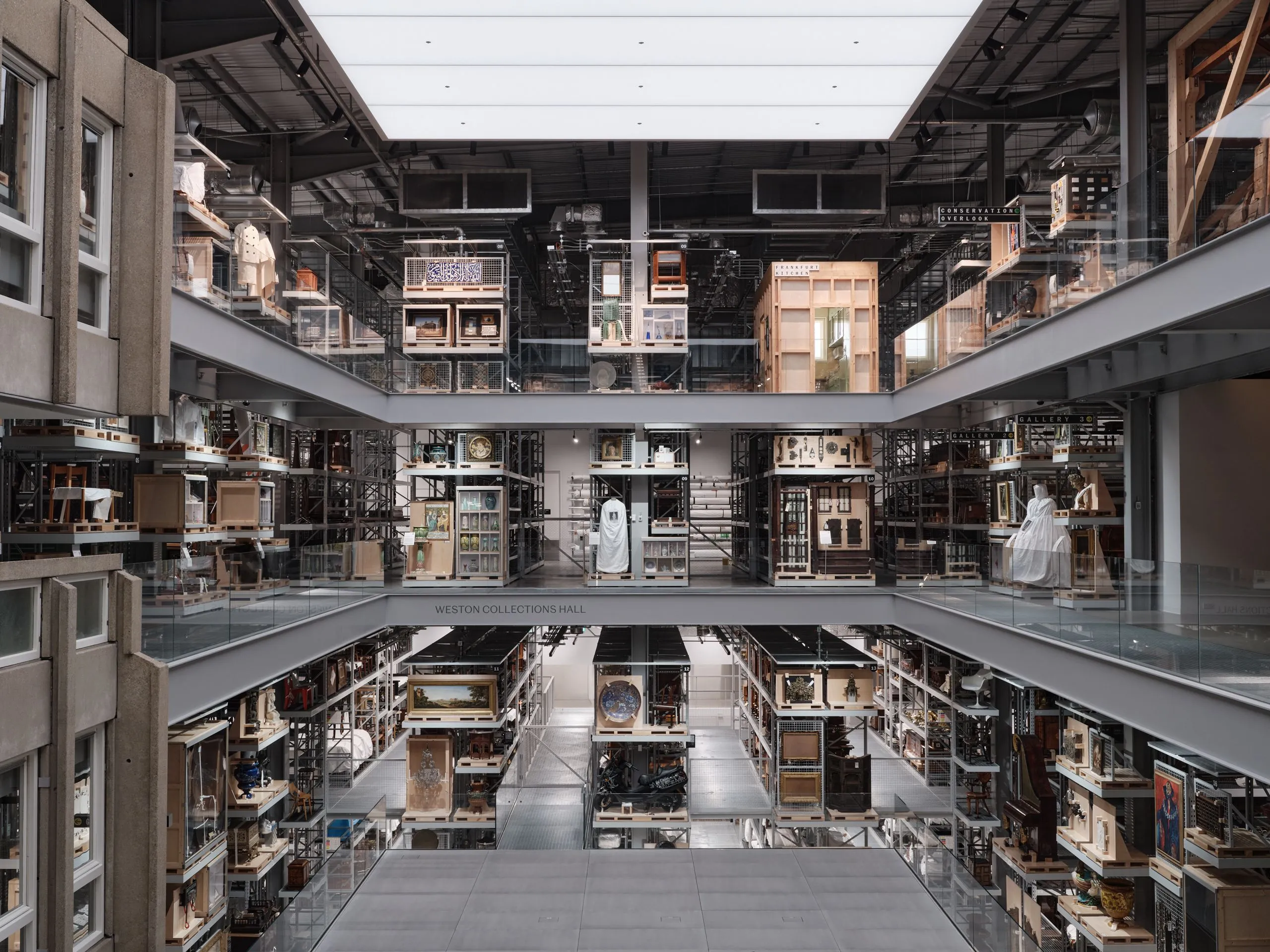
Material choices were handled with equal care, using a clever bricolage of recycled and low-carbon materials that blend seamlessly with the building’s industrial architecture. Best of all, every single module can be completely disassembled for reuse or material recovery once an exhibition wraps up.
This impressive project was brought to life under the creative and strategic direction of Robin Howie, alongside designers Tilia Bertrand-Shelton, Imogen Ayres, and Lan Lê. Production partners included Standard8, IDK, Solved Workshop, Calverts Co-op, and Commercial Type. You can check out full project details on the fieldworkfacility.com/projects/storehouse page.
Hệ thống wayfinding V&A East Storehouse: Khi biển chỉ dẫn hoạt động như một phần mềm
Thay vì làm biển chỉ dẫn bảo tàng theo kiểu truyền thống, Fieldwork Facility đã tiếp cận dự án V&A East Storehouse như một phần mềm vật lý: một hệ thống linh hoạt, phát thải thấp và dễ dàng cập nhật nội dung.
Điểm nhấn nổi bật nằm ở bộ font monospace custom Spiller Mono — phiên bản cải tiến từ kiểu chữ nhận diện của V&A do Commercial Type thực hiện. Mang tinh thần của những trình soạn thảo code và máy tính thời kỳ đầu, các ký tự được thể hiện trên những ô mô-đun có thể thay đổi linh hoạt như bảng thông báo ở nhà ga. Từ mảng tường chào mừng kết hợp nhiều chất liệu, các đường ray bảng điện tử dot-matrix cho đến các vạch màu highlighter sinh động, mọi chi tiết đều tạo cảm giác như một cỗ máy có thể vận hành trực tiếp. Ý tưởng này cũng đã giúp dự án ghi tên vào danh sách showcase khu vực của Dezeen Awards 2026.
Nhờ tính chất lưới định hình của font monospace, các thành phần hiển thị như nhãn dán, cột totems hay bảng giải thích đều được lắp ráp từ các mảnh ghép thay thế thay vì phải in mới toàn bộ mỗi khi thay đổi. Cấu trúc thông tin xếp tầng với nhịp điệu giống như giao diện lập trình, kết hợp cùng các con số kích thước lớn được sơn trực tiếp lên tường giúp định vị từng tầng rất rõ ràng.
Mặt chất liệu cũng được xử lý rất bài bản với cấu trúc ghép nối (bricolage) từ vật liệu tái chế và phát thải thấp, hài hòa với kiến trúc công nghiệp của tòa nhà. Tất cả các module đều cho phép tháo rời hoàn toàn để tái sử dụng hoặc thu hồi nguyên liệu khi các đợt trưng bày kết thúc.
Dự án được thực hiện dưới sự chỉ đạo sáng tạo và chiến lược của Robin Howie, cùng nhóm thiết kế Tilia Bertrand-Shelton, Imogen Ayres và Lan Lê. Các đối tác sản xuất bao gồm Standard8, IDK, Solved Workshop, Calverts Co-op và Commercial Type. Chi tiết dự án có thể xem tại fieldworkfacility.com/projects/storehouse.